World Science Day for Peace and Development
World Science Day for Peace and Development: Meaning, History, Theme and Global Importance
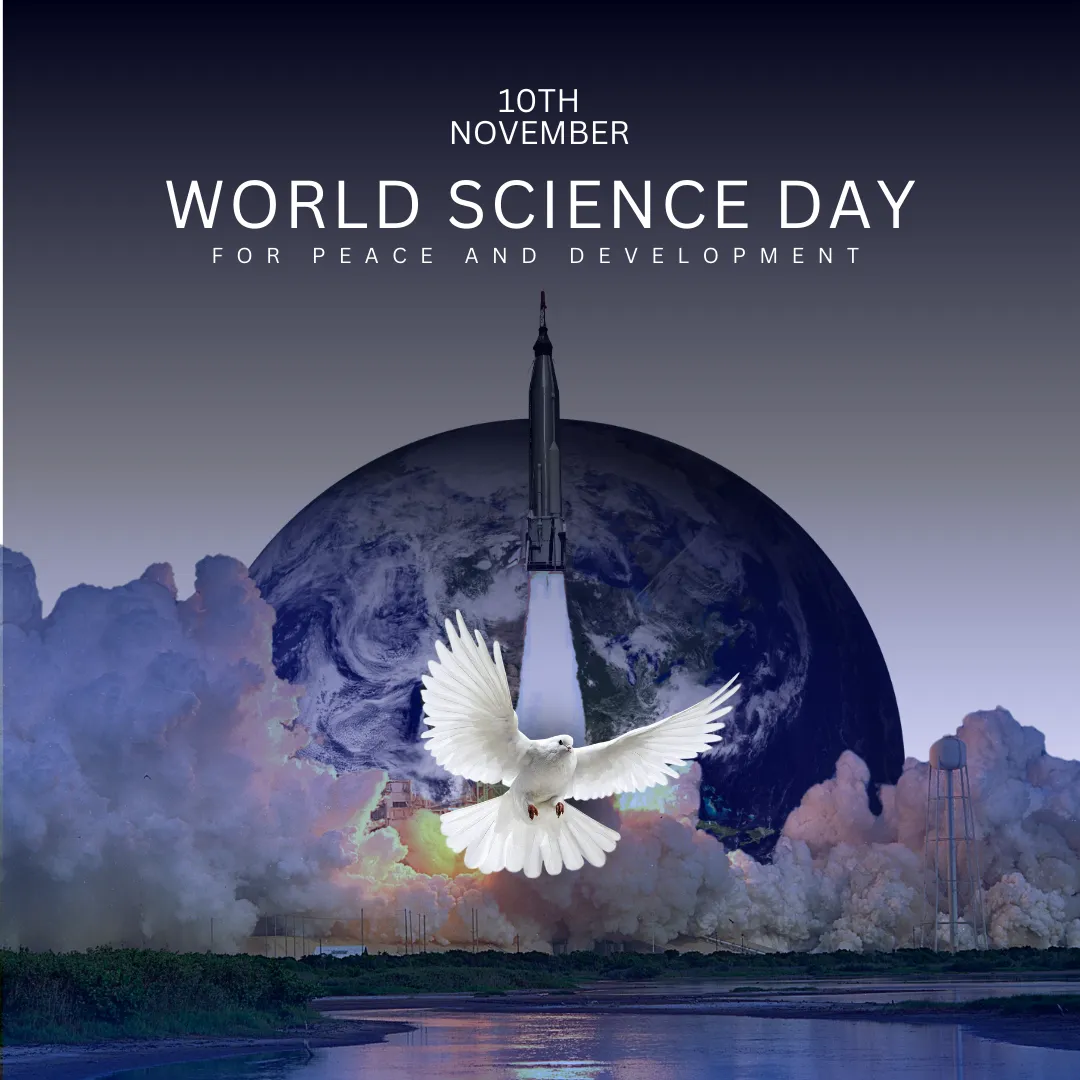
World Science Day for Peace and Development is observed every year on 10 November. This international observance highlights the importance of science in everyday life and promotes its role in building peaceful and sustainable societies.
The day was proclaimed by the UNESCO in 2001 and was first celebrated in 2002. Since then, it has served as a global platform to strengthen the connection between science and society.
World Science Day reminds governments, institutions, and citizens that scientific knowledge must be used responsibly. It encourages evidence-based decision-making and international cooperation to address global challenges such as climate change, public health crises, energy security, and food sustainability.
Quick Facts About World Science Day for Peace and Development
| Fact | Details |
| Official Name | World Science Day for Peace and Development |
| Observed On | 10 November every year |
| Proclaimed By | UNESCO |
| Year Established | 2001 |
| First Celebration | 2002 |
| Origin | 1999 World Conference on Science, Budapest |
| Type | International Day under the United Nations |
| Main Focus | Science for peace, innovation, and sustainable development |
| Holiday Status | Not a Public Holiday |
History and Background of World Science Day
The idea for World Science Day began at the World Conference on Science held in Budapest in 1999. During this conference, global leaders, scientists, and policymakers agreed that science should serve humanity and contribute to peace and development.
They recognized that scientific progress must be ethical, inclusive, and accessible. There was also a strong call to improve communication between scientists and the public.
In response, UNESCO officially proclaimed World Science Day for Peace and Development in 2001. The first celebration took place on 10 November 2002. The goal was clear:
-
Promote scientific awareness
-
Strengthen public trust in science
-
Encourage international research cooperation
-
Support science-based solutions for global challenges
Over time, the observance has gained importance as the world faces increasingly complex problems that require scientific innovation.
Role of UNESCO and the United Nations
UNESCO leads the global coordination of World Science Day. As a specialized agency of the United Nations, it works to promote science as a tool for peace, sustainable development, and human rights.
UNESCO focuses on:
-
Promoting open science and shared knowledge
-
Supporting science education for young people
-
Encouraging ethical research practices
-
Advancing science diplomacy
Science diplomacy is particularly important. It allows countries to collaborate on research even during political tensions. Shared scientific goals often build bridges where politics cannot. The observance also aligns with broader goals of the United Nations, including efforts to achieve sustainable development through innovation, research, and international cooperation.
Importance of Science for Peace and Sustainable Development
Science plays a vital role in shaping modern society. It improves health systems, strengthens economies, and protects the environment.
-
Importance of Science in Society
Scientific research drives medical breakthroughs, technological advancements, and agricultural improvements. From vaccines to renewable energy systems, science directly improves quality of life.
Scientific literacy also helps people make informed decisions. When citizens understand science, they are better equipped to evaluate information and avoid misinformation.
-
Science and Global Peace
Scientific collaboration often brings together researchers from different cultures and nations. Working toward shared goals builds trust and mutual understanding. This form of cooperation contributes to long-term peace.
Science also supports stability by providing solutions to crises such as water shortages, food insecurity, and environmental disasters.
-
Science and Sustainable Development
Sustainable development depends heavily on scientific innovation. Clean energy technologies, climate research, sustainable farming methods, and digital communication tools are all products of scientific advancement.
Without science, progress toward global sustainability would be limited and uncertain.
-
Building Public Trust in Science
Trust is essential for scientific progress. When people trust science, they are more likely to support research funding, vaccination programs, environmental policies, and technological innovation.
World Science Day encourages transparent communication between scientists and the public to strengthen this trust.
Previous Themes of World Science Day for Peace and Development
Each year, World Science Day is celebrated with a specific theme that reflects current global priorities.
|
Year |
Theme |
|
2024 |
Why Science Matters: Engaging Minds and Empowering Futures |
|
2023 |
Building Trust in Science |
|
2022 |
Basic Sciences for Sustainable Development |
|
2021 |
Building Climate-Ready Communities |
|
2020 |
Science for and with Society |
These themes highlight the evolving role of science in addressing modern challenges.
How World Science Day Is Celebrated Around the World
World Science Day is not a public holiday, but it is widely observed in many countries.
Common activities include:
-
Public lectures and panel discussions
-
Science fairs and exhibitions
-
School awareness programs
-
University seminars
-
Online campaigns promoting scientific literacy
Science centers and educational institutions often organize open events to encourage public engagement. These activities help people understand how scientific research impacts daily life.
Challenges Facing Science Today
Despite its importance, science faces several obstacles:
-
Unequal access to research funding
-
Limited opportunities in developing regions
-
Spread of misinformation
-
Ethical concerns in emerging technologies
Addressing these challenges requires global cooperation and responsible policies. World Science Day provides a platform to discuss these issues and promote inclusive scientific progress.
Why World Science Day Matters Today
The modern world depends heavily on scientific advancement. From managing global health crises to addressing climate change, science provides the tools needed for survival and growth.
World Science Day for Peace and Development reminds us that scientific knowledge must benefit everyone. It encourages innovation, ethical responsibility, and international collaboration. Science is more than discovery. It is a foundation for peace, innovation, and sustainable development. By strengthening the connection between science and society, this international observance encourages progress that benefits all of humanity.
As global challenges continue to grow, the role of science becomes even more essential. Investing in research, education, and scientific cooperation is an investment in a peaceful and sustainable future.