World Radiography Day
World Radiography Day: Celebrating Innovation, Imaging, and Healthcare
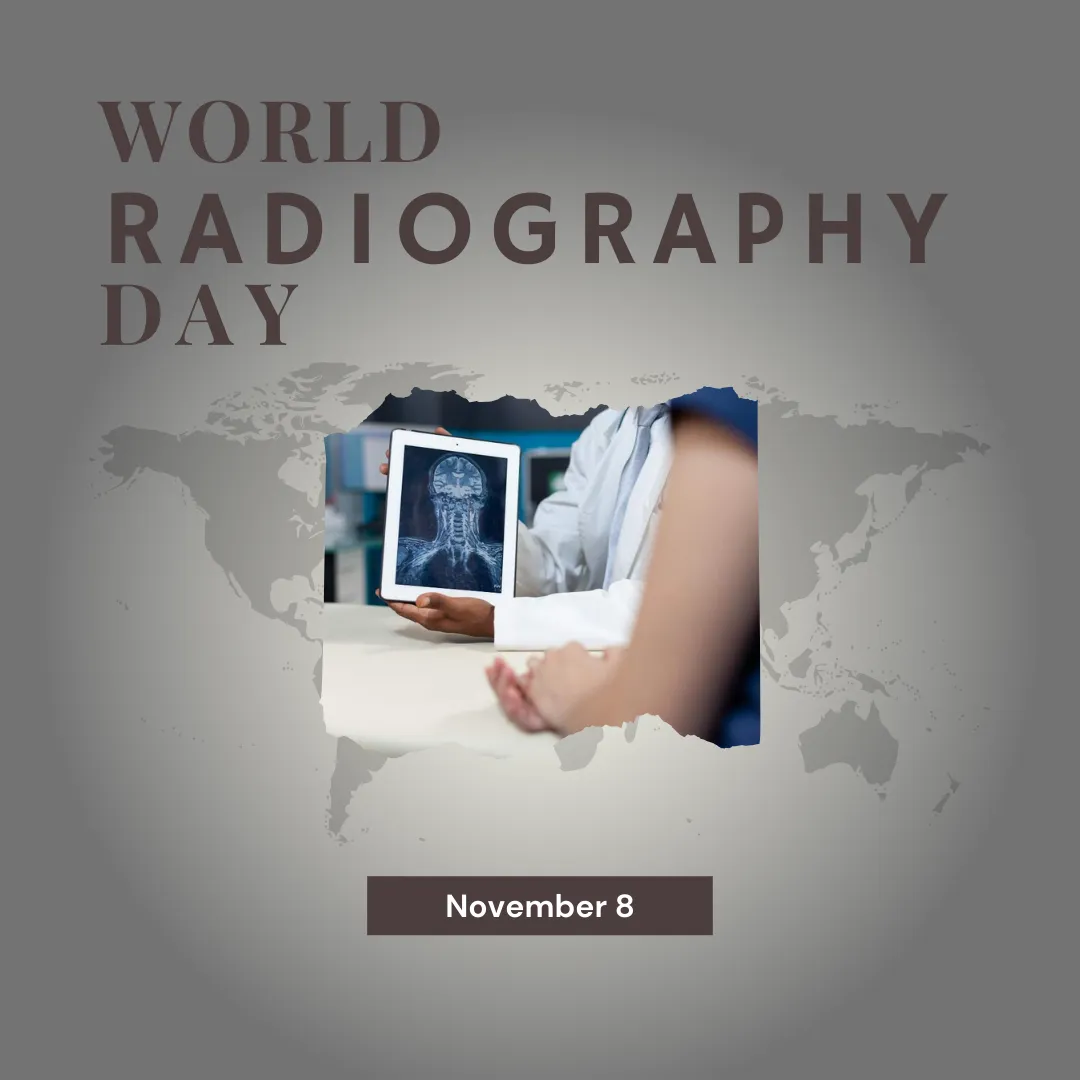
Every year on 8 November, the world celebrates World Radiography Day. This day honors the discovery of X-rays by German physicist Wilhelm Conrad Röntgen in 1895 and recognizes the incredible work of radiographers and medical imaging professionals. Radiography has transformed healthcare by allowing doctors to see inside the human body, helping in accurate diagnosis and treatment without invasive surgery.
World Radiography Day not only celebrates this revolutionary discovery but also highlights the critical role imaging plays in modern medicine, raising awareness among the public and inspiring future professionals.
Quick Facts About World Radiography Day
| Item | Details |
| Name | World Radiography Day |
| Date | 8 November |
| Observed | Annually |
| Purpose | Celebrate X-ray discovery and promote radiography awareness |
| Type | International observance |
| First Celebrated | 2007 by the International Society of Radiographers and Radiological Technologists (ISRRT) |
| Celebrated By | Radiographers, healthcare professionals, medical associations |
| Common Focus | Imaging safety, innovation, patient care |
| Holiday status | Not a Public Holiday |
These facts give a clear snapshot of the day and its purpose, helping readers quickly understand the significance of the observance.
What Is Radiography?
Radiography is the science and practice of creating images of the body’s internal structures without surgery. The most common form is the X-ray, but radiography also includes:
-
Computed Tomography (CT) scans
-
Magnetic Resonance Imaging (MRI)
-
Ultrasound imaging
-
Fluoroscopy
-
Nuclear medicine scans
Radiography allows healthcare professionals to detect fractures, infections, tumors, and other internal conditions. It is non-invasive, often painless, and one of the first steps doctors take when diagnosing health issues. Radiography plays a critical role in treatment planning and monitoring, making it indispensable in modern healthcare.
Background and History
In 1895, while experimenting with cathode ray tubes, Wilhelm Conrad Röntgen observed a mysterious glow on a fluorescent screen. He realized that a new type of invisible ray could pass through solid objects and create images of bones and internal organs. These rays were called X-rays, with “X” symbolizing the unknown.
Röntgen’s discovery had an immediate impact. Within weeks, hospitals were using X-rays to locate fractures and foreign objects, changing the practice of medicine forever. In recognition of this breakthrough, Röntgen received the first Nobel Prize in Physics in 1901.
World Radiography Day was first celebrated in 2007 by the International Society of Radiographers and Radiological Technologists (ISRRT). The day aligns with the anniversary of Röntgen’s discovery and honors both the innovation and the professionals who continue to advance medical imaging worldwide.
Previous Themes of World Radiography Day
Each year, the day is celebrated with a theme that highlights specific priorities in radiography. Some recent themes include:
| Year | Theme |
| 2020 | Elevating Patient Care with Artificial Intelligence |
| 2019 | Your Safety, Our Priority |
| 2018 | Precision Compassion |
| 2017 | We Care About Your Safety |
| 2016 | Quality Assurance: The Radiographer Takes a Central Role |
These themes guide campaigns, seminars, and public awareness initiatives, focusing on patient care, technological innovation, and safety standards in imaging.
Interesting Facts About Radiography
Here are some fascinating insights about radiography and World Radiography Day:
-
The first X-ray image was of Röntgen’s wife’s hand, showing her bones and wedding ring.
-
X-rays were discovered by accident during electrical experiments.
-
Röntgen did not patent his discovery, allowing free use for the benefit of humanity.
-
Radiography is used beyond healthcare, in airport security, industry inspections, and archaeology.
-
Modern radiography saves millions of lives every year by enabling early detection of diseases.
-
Radiographers are key professionals ensuring safe and accurate imaging.
These facts make the history of radiography both fascinating and inspiring.
Importance of Radiography in Healthcare
Radiography is a cornerstone of modern medicine, offering many vital benefits:
-
Early Diagnosis: Detects fractures, tumors, infections, and other internal conditions.
-
Treatment Guidance: Helps plan surgeries, radiation therapy, and ongoing treatment.
-
Patient Safety: Minimizes the need for invasive procedures.
-
Monitoring: Tracks the progress of illnesses and treatment outcomes.
Radiographers are trained to operate complex imaging equipment safely, position patients accurately, and ensure that exposure to radiation is minimized, making their role critical in delivering effective and safe healthcare.
Importance of World Radiography Day
World Radiography Day serves multiple purposes:
-
Awareness: Educates the public about the importance of medical imaging.
-
Recognition: Honors radiographers and imaging professionals for their vital contributions.
-
Safety and Innovation: Encourages best practices and technological advancements in imaging.
-
Inspiration: Motivates students and healthcare professionals to pursue careers in radiography.
Through seminars, workshops, and community initiatives, the day also promotes knowledge about radiation safety, patient care, and emerging technologies in medical imaging.
World Radiography Day is more than a date—it is a celebration of scientific discovery, healthcare innovation, and professional dedication. From Röntgen’s first X-ray to the latest advanced imaging technologies, radiography continues to save lives and improve patient care worldwide.
By honoring radiographers, spreading awareness about imaging, and encouraging innovation, World Radiography Day reminds us of the incredible impact of radiography on healthcare and inspires future generations to continue this essential work.