International Day against Illicit Trafficking in Cultural Property
International Day against Illicit Trafficking in Cultural Property
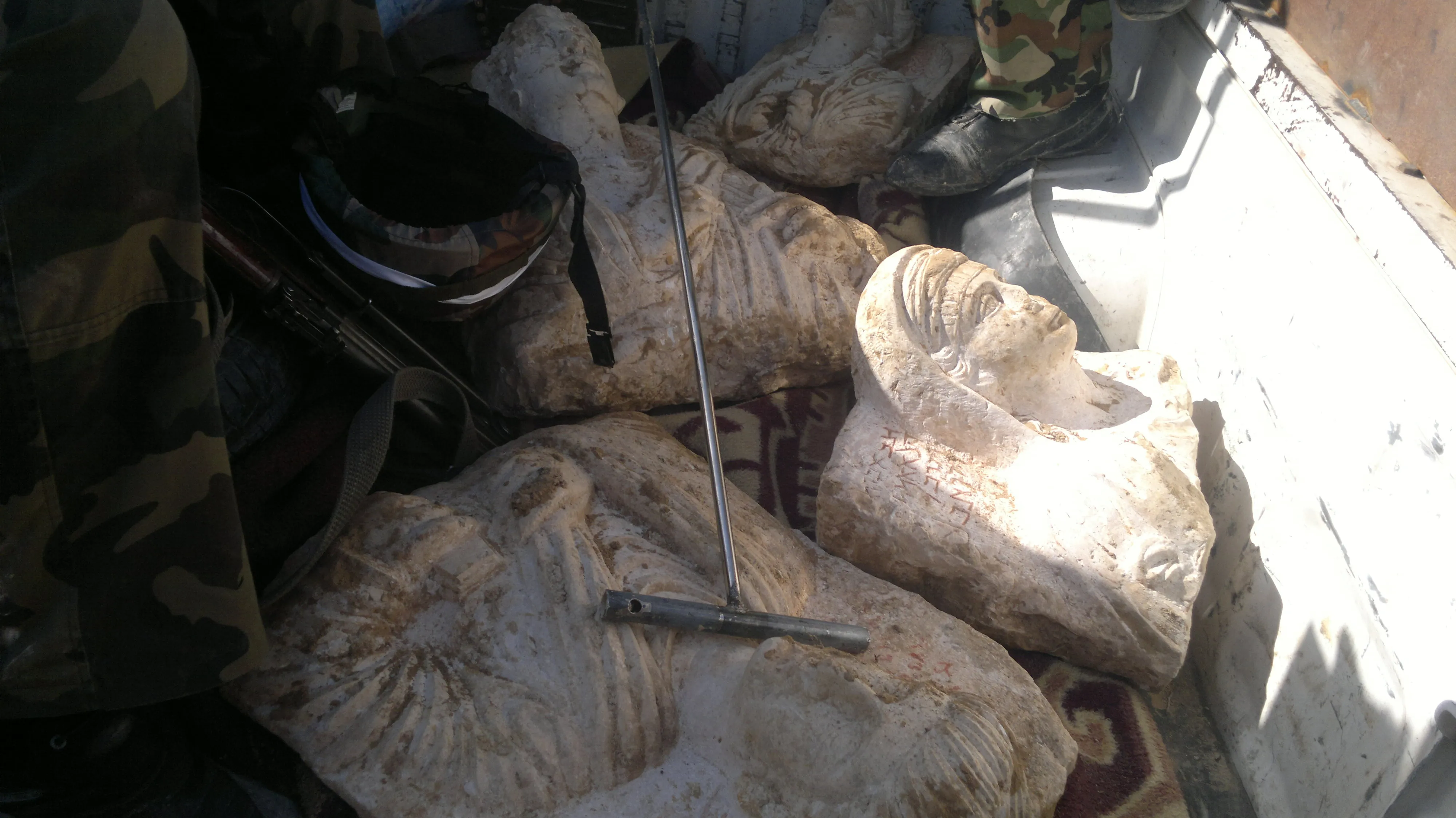
The International Day against Illicit Trafficking in Cultural Property is observed every year on 14 November. This important international day raises awareness about the illegal trade of cultural objects such as ancient artifacts, artworks, manuscripts, and historical items.
Cultural heritage is more than old objects. It represents identity, memory, tradition, and history. When cultural property is stolen or sold illegally, communities lose part of their story. This day reminds governments, institutions, collectors, and the public that protecting cultural heritage is a shared global responsibility.
The observance was established by UNESCO in 2019 and was first celebrated in 2020.
Quick Facts About the International Day against Illicit Trafficking in Cultural Property
|
Fact |
Details |
|
Observed on |
14 November |
|
Established by |
UNESCO General Conference |
|
First Observed |
2020 |
|
Related Convention |
1970 UNESCO Convention |
|
Type of Day |
International Observance |
|
Main Purpose |
To prevent illegal trade of cultural heritage |
|
Key Partners |
UNESCO, INTERPOL, WCO, UNODC, ICOM, UNIDROIT |
|
Holiday Status |
Not a Public Holiday |
What Is Illicit Trafficking in Cultural Property?
Illicit trafficking in cultural property refers to the illegal import, export, transfer, or sale of cultural objects. These may include:
-
Archaeological artifacts
-
Ancient sculptures
-
Religious objects
-
Historical manuscripts
-
Paintings and rare artworks
-
Cultural relics from conflict zones
These items are often looted during wars, natural disasters, or periods of political instability. They may then be sold on the black market or through online platforms.
This illegal trade does not just harm countries. It harms humanity as a whole.
Why Was This Day Established?
The illegal trade of cultural property is one of the most profitable forms of transnational crime. It is often linked to organized criminal networks and, in some cases, even funds armed groups.
This day was established to:
-
Raise global awareness about cultural heritage crime
-
Encourage countries to strengthen laws
-
Promote ethical behavior in the art market
-
Improve cooperation between nations
-
Support the return and restitution of stolen objects
By dedicating a specific day to this issue, UNESCO aims to remind the world that cultural heritage protection requires constant attention.
Historical Background
The date 14 November was chosen because on this day in 1970, UNESCO adopted the Convention on the Means of Prohibiting and Preventing the Illicit Import, Export and Transfer of Ownership of Cultural Property, commonly known as the 1970 UNESCO Convention.
This convention created the first global legal framework to fight against the illegal trade of cultural objects. It encourages countries to:
-
Prevent illegal exports
-
Maintain national inventories
-
Cooperate in returning stolen property
-
Educate the public about heritage protection
In 2019, during its 40th General Conference, UNESCO officially declared 14 November as the International Day against Illicit Trafficking in Cultural Property. The first observance took place in 2020, marking the 50th anniversary of the 1970 Convention.
Role of UNESCO and the United Nations
The United Nations Educational, Scientific and Cultural Organization, known as UNESCO, leads global efforts to protect cultural heritage.
UNESCO works by:
-
Supporting countries in implementing the 1970 Convention
-
Organizing training for customs officers and law enforcement
-
Promoting ethical standards in museums and art markets
-
Encouraging the return of stolen cultural property
-
Raising awareness through global campaigns
Other international organizations also play a key role:
-
INTERPOL helps track stolen cultural objects through international databases.
-
World Customs Organization supports border control efforts.
-
UNODC works on crime prevention and international cooperation.
-
ICOM provides Red Lists that identify vulnerable cultural objects.
-
UNIDROIT strengthens legal tools for restitution and return.
Together, these organizations form a strong international network against cultural trafficking.
Key Facts and Global Concerns
Illicit trafficking in cultural property is a serious issue worldwide. Here are some important points:
-
It is considered one of the largest illegal trades globally.
-
Thousands of cultural objects are seized each year.
-
Conflict zones face the highest risk of looting.
-
Online marketplaces have increased the speed of illegal sales.
-
Stolen artifacts often lose their historical context, which reduces their cultural value.
When objects are removed from their original location, important historical information is lost forever. This makes prevention even more important than recovery.
How the Day Is Observed
The International Day against Illicit Trafficking in Cultural Property is observed in many ways around the world. Activities often include:
-
Educational seminars and public discussions
-
Museum exhibitions about repatriated objects
-
Workshops for law enforcement and customs officials
-
Awareness campaigns on social media
-
Conferences involving governments and cultural institutions
These events help inform the public and strengthen cooperation between countries.
Past Observance Highlights
Although there is no fixed annual slogan every year, different observances have focused on key priorities:
2020: Marked the first celebration and the 50th anniversary of the 1970 Convention. The focus was on global awareness and cooperation.
2021: Highlighted the growing risks of online trafficking and the need for stronger ethical standards.
2022: Emphasized international collaboration and capacity building among member states.
Recent Years: Greater attention has been given to restitution and the return of cultural property to countries of origin.
Why This Day Matters Today
In today’s globalized world, cultural objects can easily cross borders. While legal cultural exchange is positive, illegal trafficking destroys trust and damages heritage.
Protecting cultural property means:
-
Preserving identity and tradition
-
Respecting cultural diversity
-
Strengthening international cooperation
-
Protecting history for future generations
Every individual also has a role to play. Buyers should verify the origin of artifacts. Museums should ensure ethical acquisitions. Governments should enforce strong laws. When cultural heritage is protected, communities remain connected to their roots.
The International Day against Illicit Trafficking in Cultural Property serves as a global reminder that cultural heritage is not a commodity to be exploited. It is a shared legacy that belongs to present and future generations.
By raising awareness, strengthening laws, and encouraging international cooperation, this observance helps protect the world’s cultural treasures. On 14 November each year, the world is called to stand together against illicit trafficking and support the preservation of cultural heritage for all.