World Meditation Day
World Meditation Day (December 21): History, Meaning, UN Significance & How the World Observes It
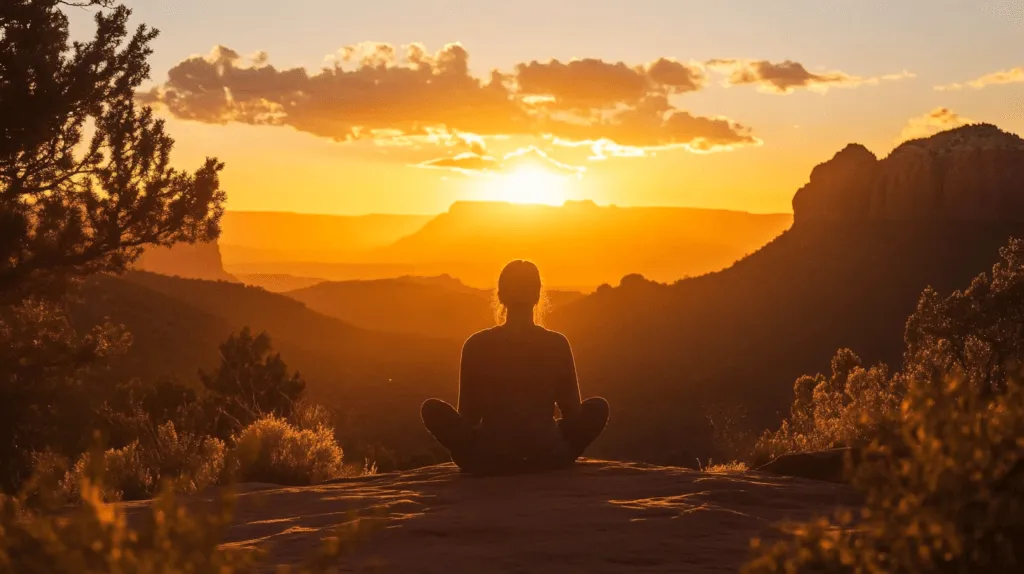
In today’s fast-paced world, silence has become rare, and mental peace even rarer. Stress, anxiety, and constant digital noise affect people across cultures and age groups. To remind humanity of the power of stillness and self-awareness, the world now observes World Meditation Day every year on December 21.
Recognized by the United Nations, World Meditation Day highlights meditation as a simple yet powerful practice that supports mental health, emotional balance, and global peace. It invites people everywhere to pause, breathe, and reconnect not only with themselves, but also with the world around them.
Quick Facts About World Meditation Day
|
Observed On |
December 21 |
|
Declared By |
United Nations General Assembly |
|
UN Resolution |
A/RES/79/137 |
|
First Official Observance |
2024 |
|
Type of Event |
International Awareness Day |
|
Core Focus |
Mental well-being, peace, mindfulness |
|
Global Reach |
Observed worldwide |
|
Related Observance |
International Day of Yoga (June 21) |
|
Holiday Status |
Not a public holiday |
What Is World Meditation Day?
World Meditation Day is an international observance established by the United Nations General Assembly in 2024. The resolution was adopted unanimously, showing global agreement on the importance of meditation for individual and collective well-being.
The day aims to:
-
Promote mental and emotional health
-
Encourage inner peace and self-reflection
-
Support a culture of non-violence and harmony
-
Make meditation accessible to everyone, regardless of belief or background
Meditation is not tied to one religion or culture. It is a universal human practice that helps calm the mind and build awareness, which is why the UN considers it a tool for global well-being.
Brief History of Meditation
Meditation is one of the oldest mental practices known to humanity. Historical evidence suggests that meditation has been practiced for thousands of years, long before modern psychology or medicine.
-
Early forms appeared in ancient India, deeply connected with spiritual traditions like Hinduism, Buddhism, and Jainism.
-
Similar contemplative practices were found in ancient China, Egypt, and later in religious traditions across the world.
-
Over time, meditation evolved from a spiritual discipline to a scientifically studied mental health practice.
Despite cultural differences, the core purpose of meditation has always remained the same: to quiet the mind and cultivate inner awareness.
Why Is World Meditation Day Observed on December 21?
The date December 21 was chosen with deep symbolic meaning:
-
UN Declaration Date
The United Nations officially proclaimed World Meditation Day on this date in 2024. -
Winter Solstice (Northern Hemisphere)
December 21 marks the shortest day and longest night of the year — symbolizing reflection, renewal, and the gradual return of light. -
Balance with the International Day of Yoga
It falls exactly six months after International Day of Yoga (June 21), linking physical and mental well-being across the calendar year.
This timing reinforces meditation as a practice of balance, transformation, and hope.
The United Nations and Meditation
Meditation has a special place within the United Nations itself. Since 1952, the UN Headquarters in New York has maintained a Meditation Room, created as a quiet space for reflection amid global diplomacy.
By declaring World Meditation Day, the UN recognizes that:
-
Inner peace contributes to global peace
-
Mental health is essential to sustainable development
-
Mindfulness supports dialogue, empathy, and cooperation
World Meditation Day also aligns with the UN Sustainable Development Goals, especially Goal 3: Good Health and Well-Being.
How Is World Meditation Day Observed Worldwide?
World Meditation Day is observed in both simple and large-scale ways across the globe.
Global Meditation Events
-
Millions of people participate in synchronized meditation sessions, often at specific times across different time zones.
-
Online guided meditations allow global participation from homes, schools, and workplaces.
Community and Institutional Activities
-
Schools, universities, and NGOs organize meditation workshops.
-
Wellness centers host talks on stress management and mindfulness.
-
Spiritual organizations conduct large group meditation programs.
Digital Participation
-
People share experiences using hashtags like #WorldMeditationDay.
-
Short guided sessions and reflections are shared online to reach wider audiences.
Benefits of Meditation
Meditation offers benefits that go far beyond relaxation.
Mental and Emotional Benefits
-
Reduces stress, anxiety, and overthinking
-
Improves focus, clarity, and emotional stability
-
Helps manage depression and burnout
-
Enhances self-awareness and resilience
Physical Well-Being
-
Supports better sleep quality
-
Helps lower blood pressure
-
Reduces physical tension and fatigue
Social and Global Impact
Meditation encourages empathy, patience, and compassion, qualities that strengthen relationships, communities, and peaceful coexistence.
Common Types of Meditation
There is no single “right” way to meditate. Some widely practiced forms include:
-
Mindfulness Meditation – Awareness of breath, thoughts, and the present moment
-
Guided Meditation – A voice leads the practice step-by-step
-
Loving-Kindness Meditation – Cultivating compassion for oneself and others
-
Mantra Meditation – Repeating a sound or phrase to calm the mind
-
Movement Meditation – Mindful walking, gentle yoga, or slow movements
Each type serves the same goal: mental clarity and inner calm.
How You Can Participate in World Meditation Day
You don’t need special training or equipment to take part. You can:
-
Meditate for 5–20 minutes on December 21
-
Join an online or local meditation session
-
Practice silence or mindful breathing
-
Encourage others to pause and reflect
-
Make meditation a daily habit, not just a one-day activity
Even a few minutes of stillness can make a meaningful difference.
World Meditation Day reminds us that peace does not begin in conferences or borders; it begins within the human mind. In a world filled with noise and division, meditation offers a quiet path toward balance, understanding, and compassion.
By observing World Meditation Day, we are not just honoring an ancient practice; we are choosing awareness over chaos and calm over conflict. And when individuals become peaceful, the world naturally follows.
“When the mind is calm, clarity arises — and from clarity comes peace.”