World Photography Day
Introduction
World Photography Day is celebrated every year on August 19th. This day commemorates the daguerreotype invention announced worldwide in 1839. It celebrates photography as art, science, and a universal communication method. Billions of people share photos on this special day globally.
| Date | August 19 |
| Duration | One day |
| Celebrated In | Countries worldwide |
| Observing Communities | Photographers, artists, media professionals, photography clubs, students, and creative communities |
| Type of Event | International / Awareness |
| Purpose of Event | To promote photography as a powerful medium of expression, storytelling, and documentation |
| First Observed In | August 19. 1839 |
| Holiday Status | No holiday is provided |
Celebration and Observance Around the World
World Photography Day is observed by photographers and enthusiasts worldwide. No single organization coordinates it, making it truly grassroots and global. Over 1.8 trillion photos are taken every year around the world.
Social Media Platforms Fill with Shared Photos:
-
Billions of people share their favorite photos using hashtags
-
Instagram, Facebook, and Twitter showcase millions of images on August 19
-
#WorldPhotographyDay trends globally across all social media platforms
-
Photographers share behind-the-scenes stories and creative processes online
Photography Exhibitions Open at Museums and Galleries:
-
Museums host special exhibitions featuring historic and contemporary photography
-
Local galleries showcase work by emerging and established photographers
-
Virtual exhibitions allow global audiences to view collections online
-
Historic camera collections are displayed at photography museums worldwide
Photography Contests and Challenges Inspire Creativity:
-
Global photo competitions encourage participation from amateurs and professionals
-
Daily photo challenges give specific themes for creative exploration
-
Winners receive recognition, prizes, and exhibition opportunities worldwide
-
Contests celebrate diverse genres from landscape to portrait photography
Photo Walks Unite Communities of Photography Enthusiasts:
-
Local photography groups organize community walks through cities and nature
-
Participants learn composition, lighting, and storytelling techniques from experts
-
Photo walks explore historic neighborhoods, parks, and cultural landmarks
-
Social connections form among people who share a passion for photography
Free Workshops and Classes Teach Photography Skills:
-
Professional photographers offer free tutorials on camera basics online
-
Workshops cover composition, lighting, editing, and advanced techniques comprehensively
-
Online courses make photography education accessible to everyone globally
-
Museums and community centers host hands-on learning sessions locally
Camera Companies Offer Special Discounts and Promotions:
-
Camera manufacturers launch special deals on equipment and accessories
-
Photography software companies offer limited-time discounts on editing tools
-
Photography books and magazines feature special editions celebrating the day
-
Gear reviews and buying guides help beginners choose equipment wisely
History and Origin of World Photography Day
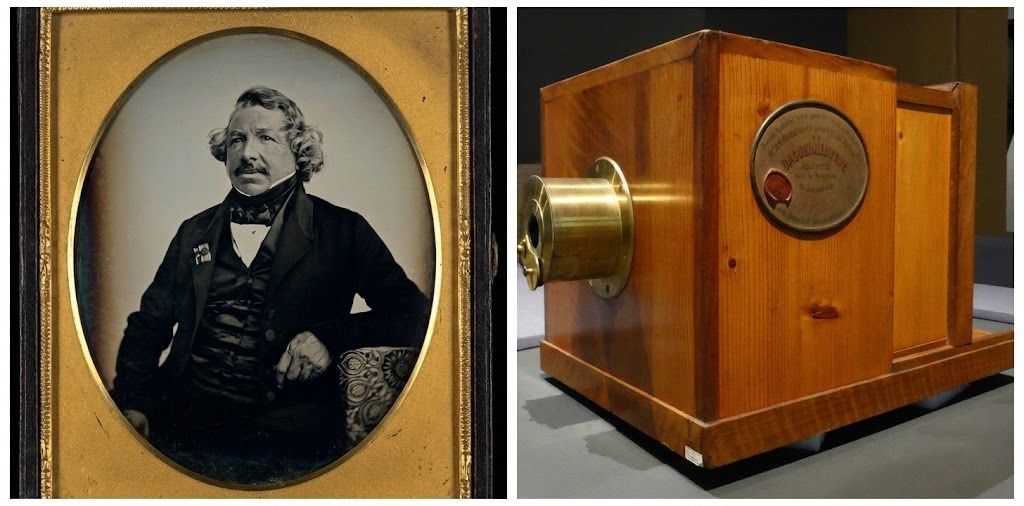
Louis Daguerre and the daguerreotype camera
World Photography Day has fascinating roots in photographic invention history. Photography revolutionized how humans capture and preserve moments forever. The daguerreotype process made photography accessible beyond just scientists. August 19, 1839, became a historic turning point globally.
Important Historical Milestones:
-
1826: Nicéphore Niépce created the first permanent photograph, View from the Window at Le Gras, using a camera obscura with an eight-hour exposure.
-
1839: Louis Daguerre perfected the daguerreotype process, producing clearer images and making portrait photography practical.
-
August 19, 1839: The French government purchased the daguerreotype patent and declared it “free to the world,” marking photography’s public release.
-
1888: George Eastman introduced the first Kodak consumer camera, using roll film and making photography accessible to ordinary people.
-
1975: Kodak engineer Steven Sasson invented the first digital camera prototype, launching the transition from film to digital photography.
Evolution Over Time
World Photography Day began as an informal recognition in photography communities. Social media transformed it into a massive global celebration. Early celebrations focused on historic photography and traditional darkroom techniques. Modern observances embrace digital photography, smartphone cameras, and instant sharing. From niche appreciation to a worldwide phenomenon involving billions of people.
Social and Educational Value
World Photography Day teaches people that photography preserves precious memories. It builds appreciation for photography as both art and documentation. The day encourages everyone to explore their creative potential daily.
Photography Documents History and Preserves Cultural Heritage:
-
Historic photos provide invaluable records of people, places, and events
-
War photography brings attention to conflicts and humanitarian crises worldwide
-
Family photos preserve memories across generations for future descendants
-
Cultural documentation protects traditions that might otherwise be forgotten forever
Anyone Can Become a Photographer with Modern Technology:
-
Smartphone cameras put photography in billions of people daily
-
Free editing apps make professional-quality results accessible to everyone
-
Online tutorials teach techniques that once required expensive formal education
-
Social media provides platforms for sharing work with global audiences
Photography Communicates Across All Language and Cultural Barriers:
-
A powerful image conveys emotions and stories without needing words
-
Photojournalism exposes injustice and inspires social change through visual truth
-
Travel photography connects cultures and promotes understanding between different peoples
-
Wildlife photography raises awareness about conservation and environmental protection urgently
Career Opportunities in Photography Are Diverse and Growing:
-
Professional photographers work in weddings, portraits, fashion, and journalism
-
Commercial photography supports advertising, product marketing, and corporate needs
-
Fine art photographers exhibit in galleries and sell prints
-
Photo editors, retouchers, and instructors build successful related careers
Do's and Don'ts for World Photography Day
Do's:
-
Share your favorite photos on social media using hashtags
-
Learn new photography techniques through free tutorials and workshops
-
Respect people's privacy when photographing them in public spaces
-
Give proper credit when sharing other photographers' work online
-
Participate in local photo walks and community photography events
-
Support local photographers by purchasing prints or hiring their services
-
Preserve and digitize old family photos for future generations
Don'ts:
-
Don't steal or plagiarize other photographers' work without permission
-
Don't violate people's privacy by photographing without consent when needed
-
Don't forget to back up your digital photos regularly
-
Don't ignore copyright laws when using or sharing images
-
Don't over-edit photos to the point of losing authenticity
-
Don't photograph restricted areas or sensitive locations without authorization
Key Facts About Photography
Understanding photography's impact helps appreciate this art form's significance:
-
1.8 trillion photos are taken worldwide every year currently
-
95 million photos are shared on Instagram every single day
-
First photograph took 8 hours of exposure time in 1826
-
Modern smartphone cameras can capture images in milliseconds today
-
Photography market is worth billions of dollars globally annually
-
Over 3 million professional photographers work worldwide in various fields