International Day of the World's Indigenous Peoples
| Date | August 9 every year |
| Duration | One-day event |
| Observance | International |
| Celebrated in | Worldwide |
| Observing Communities | Indigenous peoples, human rights organizations, governments, NGOs and educational institutions |
| Type of Event | International |
| Purpose of Event | To raise awareness and protect the rights of indigenous peoples worldwide and to celebrate their cultural heritage, traditions and contributions to humanity. |
| Holiday Status | No (No public holiday declared) |
| First Observed in | 1995 (Proclaimed by the United Nations General Assembly in 1994) |
Quick Fact: The International Day of the World's Indigenous Peoples was proclaimed by the United Nations to commemorate the first meeting of the UN Working Group on Indigenous Populations held in Geneva in 1982.
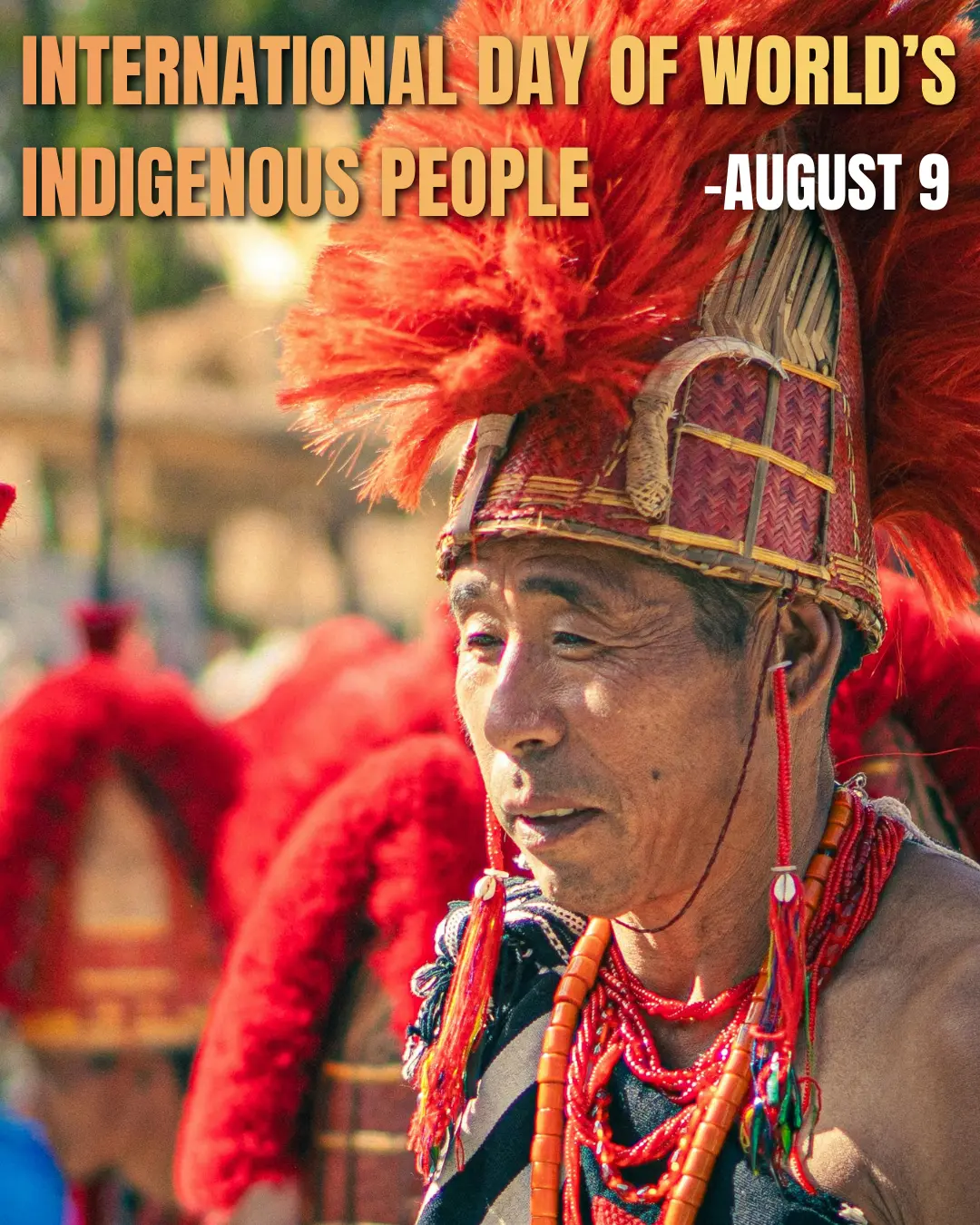
The International Day of the World's Indigenous Peoples is observed every year on August 9 to raise awareness about the rights and well-being of indigenous peoples around the world. This day celebrates their unique cultures, traditions and contributions to global heritage while also highlighting the challenges they continue to face including discrimination, marginalization and loss of land and resources.
History and Background
The United Nations General Assembly proclaimed August 9 as the International Day of the World's Indigenous Peoples through Resolution 49/214 on December 23, 1994. The date was chosen to commemorate the first meeting of the UN Working Group on Indigenous Populations held in Geneva in 1982. The first International Decade of the World's Indigenous People began in 1995 and since then this day has been observed globally every year on August 9.
Purpose of the International Day of the World's Indigenous Peoples
This day is mainly observed to:
-
Raise global awareness about indigenous peoples' rights and freedoms.
-
Celebrate indigenous cultural heritage and traditions.
-
Promote environmental stewardship practiced by indigenous communities.
-
Address systemic discrimination and marginalization of indigenous peoples.
This day highlights the important contributions that indigenous peoples make to global biodiversity, cultural diversity and sustainable development.
How is the International Day of the World's Indigenous Peoples Observed?
This day is observed worldwide through different activities such as:
-
International conferences and symposiums on indigenous rights.
-
Cultural exhibitions and performances showcasing indigenous traditions.
-
Advocacy campaigns for indigenous land rights and self-determination.
-
Educational programs in schools and communities.
-
Official government recognitions and proclamations.
In Nepal, indigenous communities such as the Tharu, Rai, Limbu, Tamang, Gurung and Newars observe this day through cultural programs, rallies and awareness campaigns.
Importance of the International Day of the World's Indigenous Peoples
This day is important for several reasons:
-
It acknowledges the contributions of indigenous peoples to global biodiversity and culture.
-
It highlights ongoing struggles for land rights and self-determination.
-
It creates a platform for indigenous voices in international discourse.
-
It promotes cultural preservation and revitalization efforts worldwide.
Conclusion
The International Day of the World's Indigenous Peoples on August 9 serves as a global reminder of the need to protect and promote the rights of indigenous peoples everywhere. By celebrating this day, the world recognizes that indigenous cultures, knowledge systems and traditions are essential for building a more inclusive, just and sustainable future for all.