International Literacy Day
Quick Reference Card
| Date | 8 September Every Year |
| Duration | One-Day Event |
| Observance | International |
| Celebrated in | Worldwide |
| Observing Communities | Students, teachers, educational institutions, governments, NGOs, literacy organizations, communities |
| Type of Event | International Education Awareness Day |
| Purpose of Event | To promote literacy as a fundamental human right and foundation for lifelong learning and to raise awareness about global literacy challenges. |
| Holiday Status | No (No public holiday declared) |
| First Observed in | 1967 (Declared by UNESCO in 1966) |
Quick Fact: International Literacy Day highlights the importance of reading and writing skills in reducing poverty and promoting sustainable development worldwide.
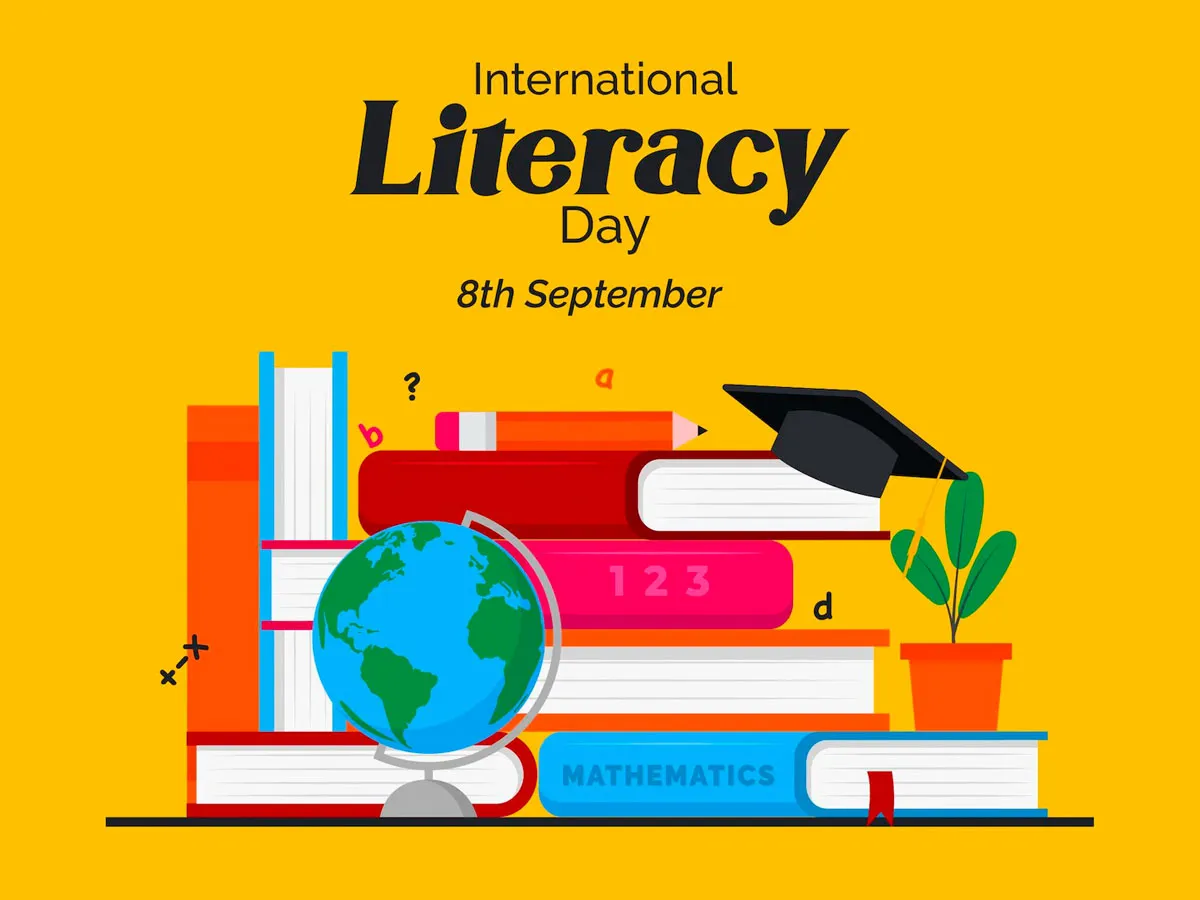
International Literacy Day is celebrated every year on September 8, when the world comes together to celebrate literacy. The day highlights the importance of literacy as a foundation for human rights, dignity and sustainable development. It reminds the world that reading and writing skills are essential for personal growth and social progress.
Historical Background
International Literacy Day was proclaimed by UNESCO (United Nations Educational, Scientific and Cultural Organization) in 1966. It was first celebrated in 1967 to promote literacy as a key factor in improving education, reducing poverty and empowering individuals.
Since then, the day has been observed globally to raise awareness about the challenges faced by millions of people who still lack basic literacy skills.
Celebration and Observance Around the World
Nations around the globe observe this day in many meaningful ways. UNESCO leads global celebrations and announces a special annual theme. Schools, libraries, governments, and NGOs all take part together.
The day is observed through:
-
Reading campaigns and storytelling events held in schools and parks.
-
Literacy award ceremonies honoring outstanding programs and individuals.
-
Public awareness and social media campaigns to promote the literacy for all.
-
Book donation drives and free library access programs for communities.
-
Workshops on adult literacy, digital literacy, and mother-tongue education.
Each year's theme guides events and programs around the world. In 2025, the theme was "Promoting literacy in the digital era." Communities use the day to launch new literacy programs and initiatives. Governments pledge to improve literacy rates and expand education access.
Purpose of the Day
International Literacy Day is observed to:
-
Promote literacy as a fundamental human right
-
Raise awareness about global literacy challenges
-
Encourage governments to improve education systems
-
Support lifelong learning opportunities
Each year, UNESCO announces a specific theme focusing on literacy and development.
Social and Educational Value
International Literacy Day carries enormous social and educational importance. Literacy empowers individuals to participate fully in society and the economy. It helps people access healthcare information, legal rights and job opportunities. Literate communities are stronger, healthier and more democratic overall.
Key social and educational benefits of this day include:
-
Reducing poverty by giving people the skills to find better work.
-
Empowering women and girls through education and reading skills.
-
Helping children develop critical thinking and problem-solving abilities.
-
Supporting adult learners who missed out on education opportunities earlier.
-
Bridging the gap between literate and non-literate populations globally.
Literacy is directly linked to better health outcomes for families everywhere. Parents who can read are better able to support their children's learning. This day also promotes digital literacy as a vital 21st-century skill. An educated and literate society is the backbone of sustainable development.
Importance of the Day
International Literacy Day is important because it:
-
Helps reduce poverty and inequality
-
Supports employment and economic growth
-
Encourages informed decision-making
-
Strengthens participation in society
Literacy empowers individuals to access information, express themselves and contribute to their communities.
Significance in Today’s World
In the modern world, literacy goes beyond reading and writing. It includes digital literacy and critical thinking skills. As technology becomes more common, literacy remains essential for adapting to change and accessing opportunities.
Conclusion
International Literacy Day on 8 September is a celebration of the human power to learn. It reminds us that reading and writing open doors to a better life. Every child, adult, and community deserves access to quality literacy education. By promoting education and lifelong learning, societies can build a more inclusive and equitable future for all.