World Animal Day
World Animal Day is observed every year on October 4 to promote animal welfare, raise awareness about animal rights, and inspire action to improve the lives of animals worldwide. The day brings together communities, organisations, and individuals to focus on animals in homes, farms, forests, oceans, and cities. It is an opportunity to celebrate the bond between humans and animals, and to advocate for their protection and well-being.
Quick Facts About World Animal Day
| Aspect | Details |
| Name | World Animal Day |
| Date | October 4 (annually) |
| First Observed | March 24, 1925 |
| Founder | Heinrich Zimmermann (German writer and cynologist) |
| Why October 4 | Feast of Saint Francis of Assisi |
| Celebrated Globally | In over 70 countries |
| Coordinated By | Naturewatch Foundation (UK) |
| Purpose | Promote animal welfare and rights |
| Holiday status | Not a public holiday |
Why October 4?
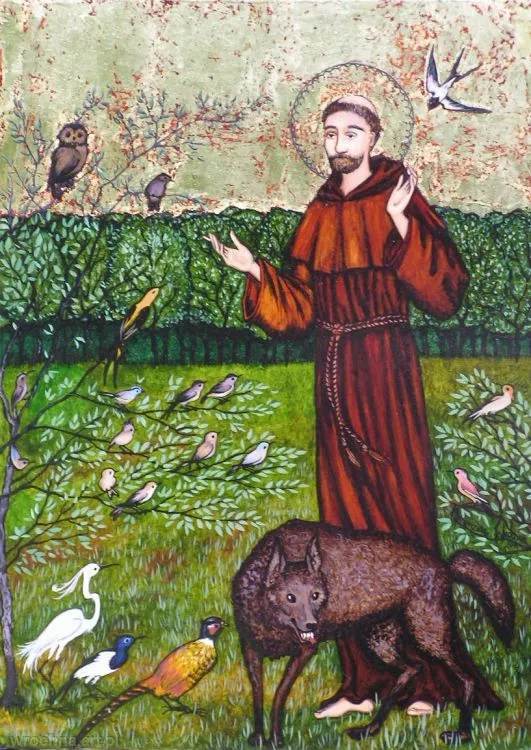
World Animal Day is celebrated on October 4 because it coincides with the Feast of Saint Francis of Assisi, the patron saint of animals and ecology. Saint Francis is remembered for his compassion and care for all living creatures. By choosing this date, the modern movement for animal welfare connects with a long-standing tradition of kindness toward animals. This date serves as a reminder to respect animals and consider their needs in daily life and policy-making.
History and Background
The first World Animal Day event was organised in 1925 by Heinrich Zimmermann, a German writer and animal advocate. He hosted the event at the Sports Palace in Berlin, attracting more than 5,000 attendees. The celebration marked a turning point for international awareness about animal welfare and the need for global cooperation to protect animals.
Initially, the celebration was held in March. In 1931, at the International Animal Protection Congress in Florence, Italy, Zimmermann’s proposal to make October 4 the official date was approved. This aligned the observance with the feast day of Saint Francis of Assisi.
Over the years, World Animal Day has grown globally. Today, it is recognised in over 70 countries, with activities ranging from classroom workshops and adoption drives to public awareness campaigns and wildlife conservation initiatives. Since 2003, the Naturewatch Foundation in the UK has coordinated the global celebration, maintaining the official website, supporting ambassadors, and promoting educational campaigns worldwide.
Themes of the World Animal Day
World Animal Day often has a specific theme to guide advocacy efforts. These themes focus attention on issues such as animal welfare, conservation, and the human-animal relationship. Recent themes include:
| Year | Theme |
| 2018 | Celebrating human connection with animals |
| 2019 | Life below water: people and planet |
| 2020 | Man and dog |
| 2021 | Forests and livelihoods |
| 2022 | Shared planet |
| 2023 | Great or small, love them all |
| 2024 | The world is their home too |
| 2025 | Save Animals, Save the Planet! |
These themes highlight how animal welfare intersects with human life, the environment, and global sustainability efforts.
Significance and Impact
World Animal Day is significant for multiple reasons:
-
Raising Awareness: The day highlights issues such as animal cruelty, illegal wildlife trade, endangered species, and habitat destruction.
-
Supporting Conservation and Rescue: Many organisations use this day to fundraise for shelters, sanctuaries, and wildlife rehabilitation centres.
-
Education: Schools and communities host workshops, seminars, and campaigns to teach compassionate care and the importance of animal welfare.
-
Global Networking: Advocates, charities, and volunteers connect through social media and campaigns, creating a global network of animal welfare supporters.
-
Policy Influence: In some regions, World Animal Day has inspired stronger laws and regulations to protect animals, from pets to wildlife.
Although not an official United Nations observance, World Animal Day aligns with Sustainable Development Goals, particularly SDG 14 (Life Below Water) and SDG 15 (Life on Land), which focus on protecting ecosystems, biodiversity, and species.
How to Celebrate World Animal Day
People and organisations celebrate in many ways, depending on resources and interests:
Community Events
-
Adoption drives, fundraising walks, or pet shows.
-
Animal blessing ceremonies in honour of Saint Francis.
Educational Outreach
-
Classroom workshops, webinars, and awareness sessions about animal welfare and conservation.
Volunteering and Support
-
Helping at local shelters, wildlife centres, or participating in habitat clean-ups.
Social Media Campaigns
-
Sharing stories, photos, and informative content with hashtags like #WorldAnimalDay and #LoveAnimals to reach a broader audience.
Advocacy
-
Promoting humane treatment standards, influencing policy, and campaigning against cruelty.
These activities encourage people to understand animals’ roles in ecosystems and human life while taking action to protect them.
World Animal Day is more than a single day of recognition. It is a movement that encourages compassion, respect, and action for animals everywhere. From raising awareness about endangered species to supporting local shelters and educational programs, the day reminds everyone that animals are essential parts of our world.
Every October 4, millions participate globally, showing that each act, big or small, can make a difference. Celebrating this day is a step toward a future where humans and animals can coexist harmoniously.