International Dignified Menstruation Day
International Dignified Menstruation Day: Breaking Disgrace & Promoting Equality
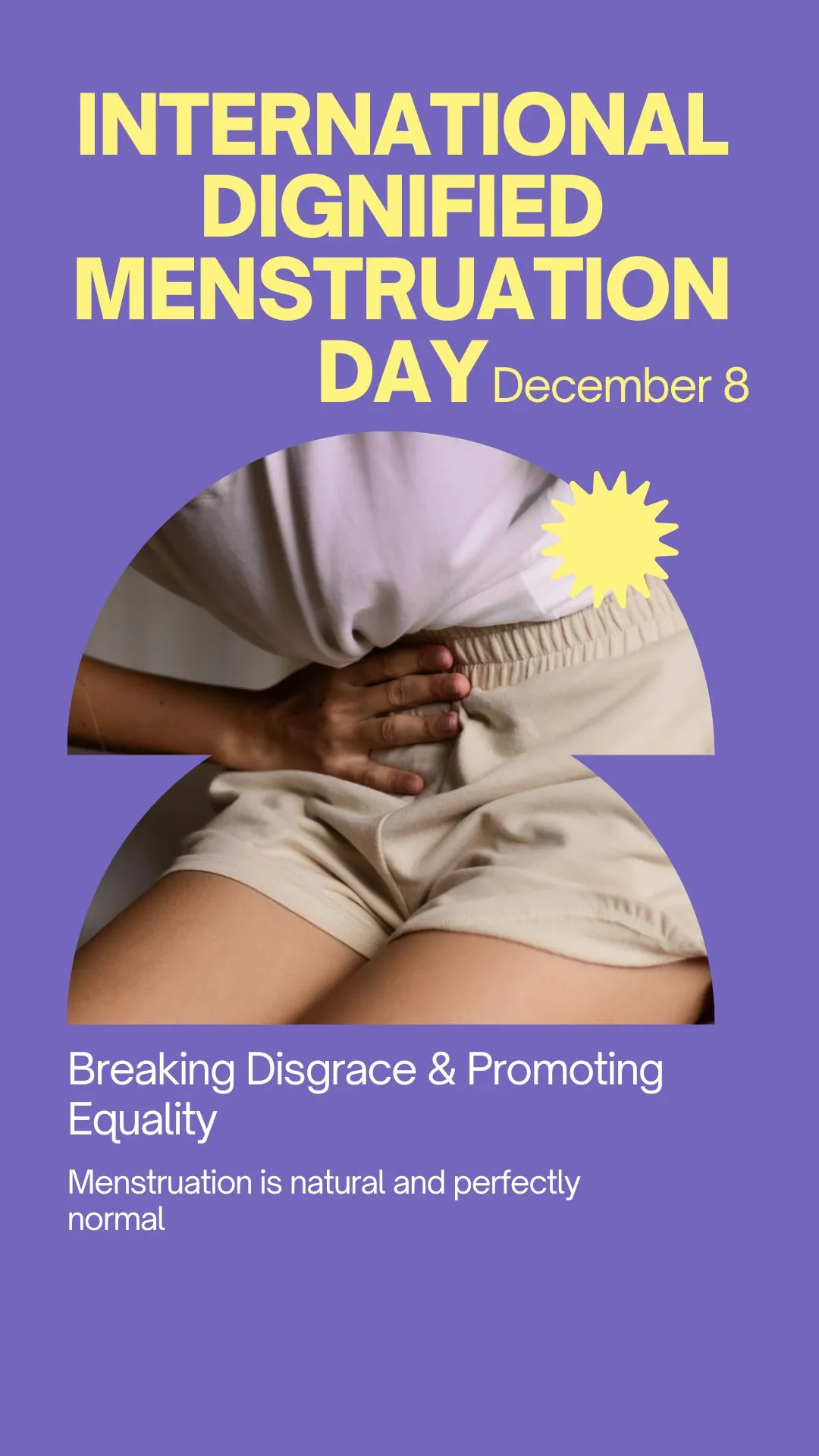
International Dignified Menstruation Day is a yearly observance held on December 8 to draw global attention to menstrual discrimination and the need for dignity, respect, and equality for people who menstruate. It reframes menstruation from being seen as a “hygiene issue” to a human rights issue that affects education, health, freedom, and social participation.
This day highlights that everyone who menstruates should be able to live without shame, limitations, or unsafe conditions, whether at school, work, home, or in public spaces.
Quick Facts: International Dignified Menstruation Day
|
Feature |
Details |
|
Name |
International Dignified Menstruation Day |
|
Date |
December 8 every year |
|
First Observed |
2019 |
|
Organizers |
Global South Coalition for Dignified Menstruation & Radha Paudel Foundation |
|
Purpose |
Raise awareness about menstrual discrimination and promote dignity and human rights |
|
Global Focus |
Ending Disgrace, injustice, and barriers tied to menstruation worldwide |
|
Holiday status |
Not a public holiday |
Why December 8 Matters?
December 8 was chosen for a deeper reason: it falls on the 14th day of the 16 Days of Activism Against Gender‑Based Violence, a global campaign running from November 25 to December 10. This connects menstrual equity with the struggle against gender‑based violence and discrimination, emphasizing that Disgrace around menstruation is not just a private issue but a form of social injustice.
By linking the day with this global activism campaign, organizers stress that discrimination tied to menstruation is a violation of human rights and gender equality.
Understanding ‘Dignified Menstruation’
The term dignified menstruation extends beyond having access to sanitary products or toilets. It means:
-
Freedom from Disgrace, shame, and restrictions that treat menstruation as “dirty” or “impure.”
-
Equal rights to education and work, even while menstruating.
-
Respect in social and cultural spaces, without restrictions on movement or participation.
-
Recognition as a human rights issue, not just a hygiene or health matter.
This approach acknowledges that menstrual discrimination can show up as emotional, social, or economic barriers, not only physical or biological ones.
History & Background
The idea of dignified menstruation emerged from long‑term advocacy by the Global South Coalition for Dignified Menstruation (GSCDM) and the Radha Paudel Foundation. Their work came from real experiences of discrimination tied to menstruation and a belief that global approaches must shift from secrecy and shame toward equality, inclusion, and human dignity.
In 2019, the first International Dignified Menstruation Day was observed, marking a new global effort to recognize menstrual discrimination as a human rights concern and a form of gender‑based violence.
Annual Themes: What They Highlighted
Each year, International Dignified Menstruation Day has a theme that reflects a specific focus or message in the movement:
-
2019: Dignified menstruation prevents SGBV and promotes human rights
-
2020: Menstrual talk, dignity first
-
2021: Dignified menopause is a human right, not a privilege
-
2022: Dignified menstruation ends child marriage
-
2023: Dignified menstruation is integral for ending sexual violence and child marriage
-
2024: Upholding Dignified Menstruation: Fundamental to Sexual and Reproductive Health and Rights
-
2025: Dignified Menstruation: Reclaim Inherent Dignity, Equity, and Inalienable Rights
These themes help guide global discussions and activities each year, focusing attention on how menstrual dignity connects to broader issues like violence, rights, and health care.
How the Day Is Observed Worldwide
International Dignified Menstruation Day is recognized through events, conversations, and programs across countries. These include:
International Learning Conferences
Each year, international conferences bring together activists, public officials, youth leaders, and experts to discuss menstrual disgrace and change strategies. For example, the 7th International Learning Conference took place in Kathmandu, Nepal, from December 8–10, 2025. It drew more than 140 participants from 21 countries and focused on the theme “Dignified Menstruation: Reclaim Inherent Dignity, Equity, and Inalienable Rights.” Sessions included panel discussions, workshops, research presentations, and cultural events.
This conference concluded with the 12‑point Kathmandu Declaration, which emphasized the need for systemic change and equal power relations that support dignity for menstruators and non‑menstruators alike.
Global Toolkits and Activities
Organizers provide annual toolkits with suggestions for rallies, dialogues, storytelling, art contests, and community discussions. These support schools, organizations, and grassroots groups to plan meaningful events that encourage reflection and change in local contexts.
Community Engagement
Around the world, people use the day to host dialogues, educational sessions, and awareness programs. These activities help break the silence around menstruation, challenge myths, and promote understanding among all genders.
Why This Day Matters
Even in 2026, menstruation is still surrounded by disgrace and myths in many parts of the world, including harmful practices that exclude menstruators from daily life. Breaking these barriers is essential for:
-
Gender equality
-
Better health outcomes
-
Access to education and work
-
Human rights and personal dignity
By focusing on dignity, not just hygiene, this day challenges outdated beliefs and pushes for systemic social changes that help people live with confidence and equal opportunities.
How You Can Take Part
Here are simple ways to mark the day:
-
Share facts and stories on social media with hashtags like #DignifiedMenstruation.
-
Organize conversations or workshops at schools and workplaces.
-
Support or partner with local groups working on menstrual equity.
-
Educate your community to challenge restrictions and disgrace.
International Dignified Menstruation Day is more than a date on the calendar; it is a global movement for dignity, equity, and justice. Observed every December 8, it calls on communities, leaders, and individuals to rethink outdated beliefs, challenge disgrace, and create a world where menstruation is met with respect and understanding. By learning from past themes and continuing the conversation each year, this observance encourages a future where menstrual dignity is recognized as a universal human right.