International Day for the Elimination of Violence against Women
International Day for the Elimination of Violence against Women
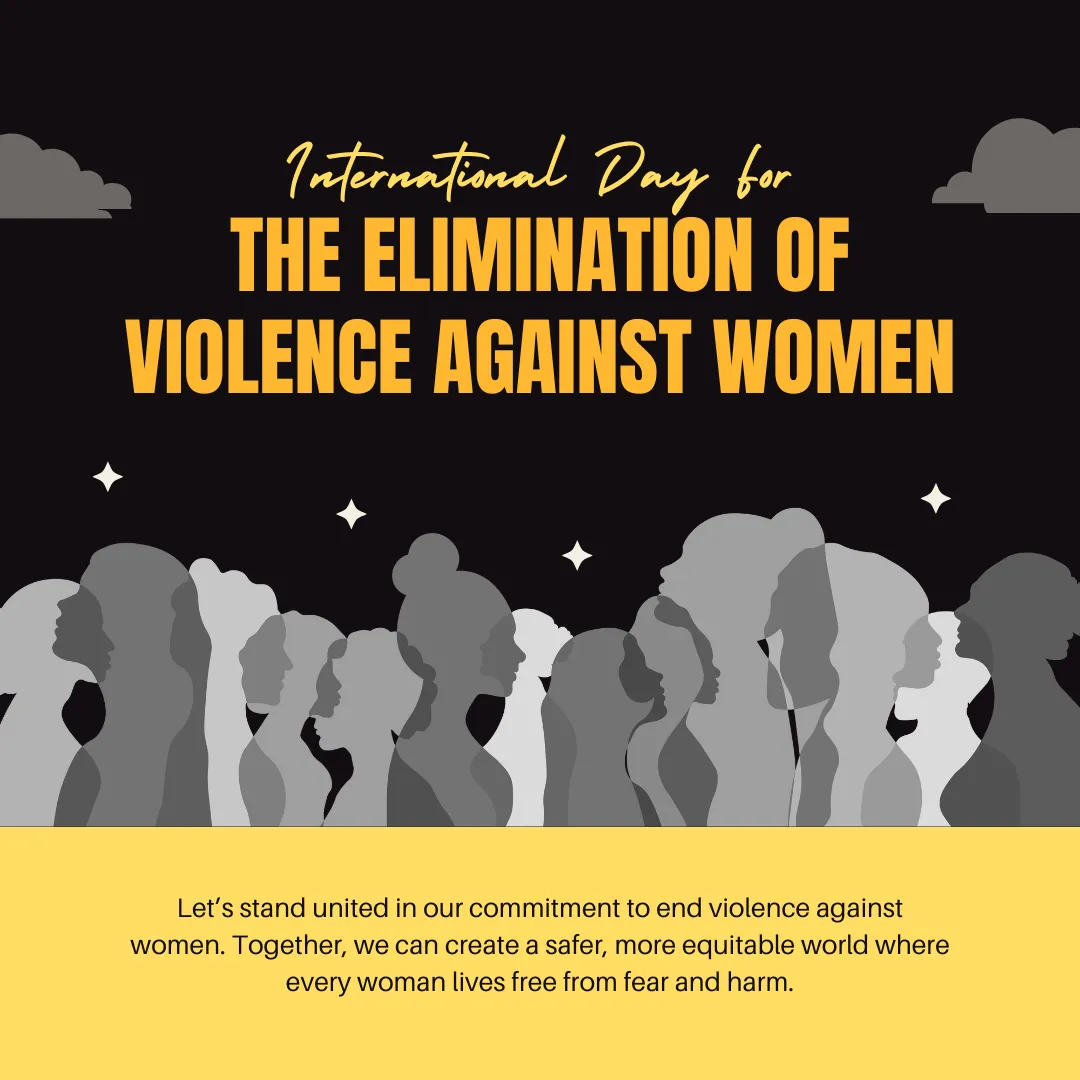
The International Day for the Elimination of Violence against Women is observed every year on 25 November to shine a light on one of the most serious human rights violations in the world. Millions of women and girls experience physical, sexual, psychological, or economic abuse, often hidden or ignored. This day serves as a reminder for individuals, communities, and governments to raise awareness, address the root causes of violence, and work toward a world where women can live safely and with dignity.
Quick Facts / Highlights
|
Fact |
Details |
|
Date |
25 November |
|
Purpose |
Raise awareness about violence against women, honor victims, promote prevention, and encourage global action for gender equality and human rights |
|
Type of Events |
Awareness campaigns, rallies, marches, workshops, educational programs, online campaigns, and buildings lit in orange |
|
Observed By |
United Nations, governments, NGOs, educational institutions, civil society organizations, and communities worldwide |
|
Origin |
Commemorates the Mirabal sisters, assassinated in the Dominican Republic on 25 November 1960 |
|
UN Recognition |
Officially recognized by the UN in 2000 (UN Resolution 54/134) |
|
Campaign |
UNiTE to End Violence against Women |
|
Holiday Status |
Not a public holiday |
What Is the Day About?
This day is about shining a light on the problem of violence against women — including physical, sexual, psychological, and economic abuse. Violence against women is often hidden, under‑reported, or ignored, yet it affects millions of women and girls worldwide. Observing this day helps show its true scale and reinforces that such violence is a violation of human rights, not just a private matter.
History and Origin
The Story Behind the Date
The date 25 November was chosen to honour the memory of the Mirabal sisters — Patria, Minerva, and María Teresa, who were political activists in the Dominican Republic. They were murdered on this day in 1960 by the regime of dictator Rafael Trujillo. Their courage in opposing injustice turned them into symbols of resistance against gender‑based violence.
From Activism to United Nations Recognition
Women’s rights advocates began observing 25 November as a day against violence in 1981. Later, the United Nations General Assembly adopted Resolution 54/134 in 2000, making the date officially recognized across all UN member states and calling on governments, organizations, and individuals to take part in awareness activities every year.
Why the United Nations Marks This Day
The United Nations (UN) plays a central role in promoting this day because violence against women remains one of the most common human rights violations in the world. The UN defines violence against women as any act likely to cause physical, sexual, or psychological harm, including threats or coercion, whether in public or private life.
UN Campaign: UNiTE
The UN launched the UNiTE to End Violence against Women campaign to encourage global action and draw attention to the issue. This includes strengthening laws, supporting survivors, collecting better data, and educating communities about prevention. The UNiTE campaign also promotes the use of the colour orange as a symbol of a safer and more hopeful future.
Annual Themes & the Symbol
Every year, the UN and partner organizations set a theme to focus attention on specific aspects of violence against women. These themes often tie into larger global goals and advocacy drives. The use of orange visually represents hope, optimism, and a future free from violence. It appears in campaigns, buildings lit in orange, clothing, ribbons, and public awareness activities.
Previous Themes
|
Year |
Theme |
|
2014 |
Orange your Neighbourhood |
|
2018 |
Orange the World: #HearMeToo |
|
2019 |
Orange the World: Generation Equality Stands Against Rape |
|
2020 |
Orange the World: Fund, Respond, Prevent, Collect! |
|
2021 |
Orange the World: End Violence against Women Now! |
|
2022 |
UNiTE! Activism to End Violence against Women and Girls |
These themes aim to connect global efforts with awareness, policy change, and community action.
Why It Matters — Purpose & Impact
Violence against women is a global problem that affects almost every nation, culture, and community. According to recent global data:
-
Nearly one in three women worldwide experiences physical or sexual violence in their lifetime.
-
In 2023, over 50,000 women and girls were intentionally killed by family members or partners, nearly one every ten minutes.
This violence limits women’s freedom, harms their physical and mental health, and blocks progress toward gender equality and development goals. The International Day for the Elimination of Violence against Women exists to challenge silence, remove stigma, and push for real change in laws, services, and culture.
How It’s Observed Around the World
This international day is marked in many ways:
-
Awareness Campaigns
Organizations, schools, governments, and communities run information campaigns using hashtags like #OrangeTheWorld and #25November. These campaigns spread facts about violence against women and the importance of ending it.
-
Public Events
People organize marches, rallies, and talks to educate and unite communities against gender‑based violence. Thousands of participants gather, carry signs, and wear orange clothing to show support.
-
Buildings Lit in Orange
Cities around the world light landmarks and public spaces in orange to visually reinforce solidarity and raise visibility of the issue.
-
16 Days of Activism
The day also kicks off the 16 Days of Activism against Gender‑Based Violence campaign (25 November to 10 December). This extended period connects the day to Human Rights Day and encourages deeper engagement and reflection.
The International Day for the Elimination of Violence against Women is a powerful global reminder that violence against women must not be ignored. It honors the courage of activists like the Mirabal sisters, highlights the scale of gender‑based violence, and calls for policies, education, and cultural change to protect women and girls everywhere.
By understanding its history, purpose, and impact, and recognizing the orange symbol of hope, we acknowledge both the challenges and the progress being made toward a world where every woman can live free from violence.