International Day for the Elimination of Sexual Violence in Conflict
International Day for the Elimination of Sexual Violence in Conflict
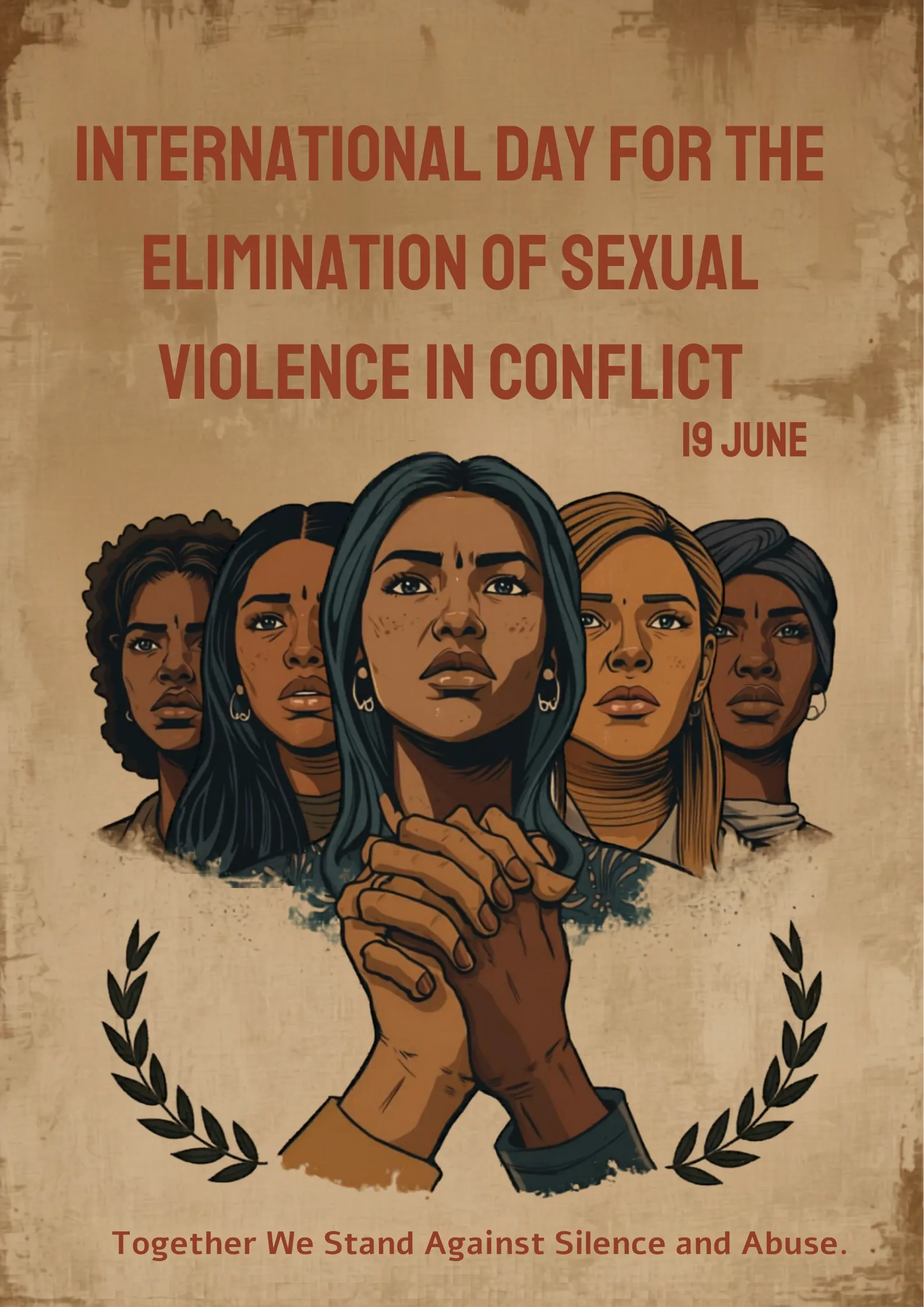
The International Day for the Elimination of Sexual Violence in Conflict is observed every year on 19 June to raise awareness about sexual violence in conflict zones, promote justice for survivors, and encourage global action to prevent these crimes. Sexual violence has long been used as a tactic of war, devastating individuals, families, and communities. This day reminds the world of the urgent need to stop such abuses and support survivors in their recovery.
Quick Facts
| Aspect | Details |
| Name of Observance | International Day for the Elimination of Sexual Violence in Conflict |
| Date | 19 June (annually) |
| First Observed | 19 June 2015 |
| Established By | United Nations General Assembly (Resolution A/RES/69/293) |
| Purpose | Raise awareness about conflict-related sexual violence and support survivors |
| Commemorates | UN Security Council Resolution 1820 (2008), recognizing sexual violence as a war crime |
| Key UN Initiative | UN Action Against Sexual Violence in Conflict |
| Focus | Prevention, survivor support, justice, accountability |
| Holiday Status | Not a public holiday |
Background and History
Sexual violence has been a feature of war for centuries, but for decades, it was largely ignored. A shift occurred in the early 2000s when the international community began to recognize sexual violence as a weapon of war and a serious threat to peace and security.
-
2008: The UN Security Council adopted Resolution 1820, acknowledging that sexual violence in conflict is a threat to international peace and security.
-
2015: The UN General Assembly officially declared 19 June as the International Day for the Elimination of Sexual Violence in Conflict (Resolution A/RES/69/293). This date honors the landmark 2008 resolution and strengthens the global commitment to prevent sexual violence and support survivors.
The observance serves as a platform to promote awareness, accountability, and international cooperation. It highlights that addressing conflict-related sexual violence is not only a matter of human rights but also crucial for lasting peace and security.
Understanding Conflict-Related Sexual Violence
Conflict-related sexual violence includes:
-
Rape
-
Sexual slavery
-
Forced prostitution
-
Forced pregnancy or abortion
-
Enforced sterilization
-
Forced marriage
-
Other sexual abuses linked to armed conflict
Such acts are recognized under international law as war crimes, crimes against humanity, and, in some cases, genocide. Sexual violence in conflicts is often used strategically to intimidate communities, displace populations, or destroy social cohesion.
UN and International Involvement
UN Resolutions and Initiatives
-
Resolution 1820 (2008): Recognizes sexual violence as a tactic of war and a threat to peace.
-
Resolution A/RES/69/293 (2015): Establishes the official observance on 19 June.
-
Resolution S/RES/2331 (2016): Connects sexual violence with trafficking and organized crime, calling for justice and protection of survivors.
UN Action Against Sexual Violence in Conflict
Launched in 2007, this initiative unites 25 UN entities to coordinate advocacy, policy guidance, and field support. The Special Representative of the Secretary-General on Sexual Violence in Conflict leads the efforts to ensure accountability, improve reporting, and strengthen support services for survivors.
Global Events
Each year, the UN and its partners organize panels, survivor testimonies, and discussions to increase awareness, mobilize policy action, and generate funding for prevention and recovery programs.
Previous Official Themes
| Year | Theme / Focus |
| 2015 | First global observance (no specific theme widely published) |
| 2017 | Preventing Sexual Violence Crimes through Justice and Deterrence |
| 2023 | Bridging the gender digital divide to prevent and respond to sexual violence in conflict |
| 2025 | Breaking the Cycle, Healing the Scars: Addressing Intergenerational Effects of Conflict‑Related Sexual Violence |
Key Facts and Insights
-
Many survivors do not report sexual violence due to fear, stigma, or lack of access to support. For every reported case, 10–20 go undocumented.
-
Conflict-related sexual violence is often systematically used to terrorize populations and weaken social structures.
-
International observance encourages governments and communities to invest in survivor-centered services, including psychosocial care, legal support, and protection programs.
-
This day emphasizes the role of education, accountability, and advocacy in preventing sexual violence and supporting victims.
Why This Day Matters
The International Day for the Elimination of Sexual Violence in Conflict:
-
Honors the courage and resilience of survivors
-
Highlights the need for justice and accountability
-
Promotes global awareness about the use of sexual violence as a weapon of war
-
Encourages governments, organizations, and communities to invest in prevention, legal frameworks, and recovery programs
By amplifying survivor voices and spotlighting prevention measures, this day contributes to the broader goal of lasting peace and human rights protection.
The International Day for the Elimination of Sexual Violence in Conflict is more than a commemorative date; it is a call to action. Sexual violence in conflicts devastates individuals and communities, and ignoring it allows cycles of trauma and injustice to continue. By observing this day, the global community recognizes the resilience of survivors, demands accountability for perpetrators, and reinforces the commitment to prevent such crimes in the future. Each action, whether raising awareness, supporting survivors, or strengthening legal frameworks, contributes to a world where sexual violence in conflict is no longer tolerated.