World Food Day
| Date | October 16 |
| Duration | 1 day |
| Observance | International |
| Celebrated in | Every country celebrates |
| Observing Communities | Farmers, schools, NGOs like FAO and Oxfam, governments, and urban/rural groups |
| Type of Event | International Awareness Day |
| Purpose of Event |
To raise awareness on hunger, food security, nutrition, and sustainable farming to end world hunger. |
| Holiday status | No holiday is provided |
| First Observed In | 1979 |
Every October 16, the world pauses to think about food. World Food Day fights hunger across all nations. It reminds us that good food is a basic human right.
This day honors the founding of FAO in 1945. The UN's Food and Agriculture Organization leads this global movement. Over 150 countries now join the celebration each year.
History and Origin of World Food Day
The story begins with post-war food crises. Nations needed better ways to feed growing populations. The FAO was formed in Quebec City in 1945.
Key Historical Moments:
1945: FAO was established to improve nutrition and food security. Sixteen nations signed the founding constitution in Quebec.
1979: Hungary proposed World Food Day at the 20th FAO Conference. Member countries voted unanimously to approve it.
November 1979: The FAO Conference set October 16 as the official date. This date marks FAO's anniversary.
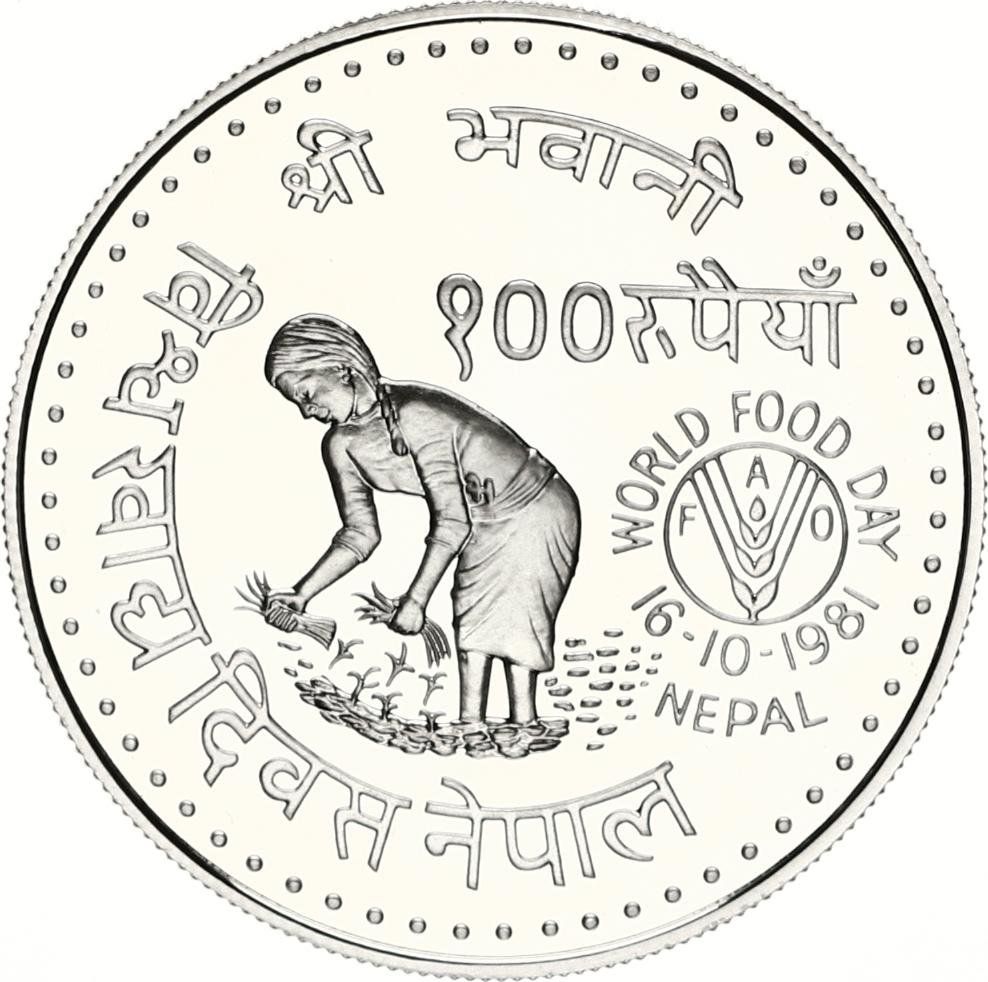
1981: First global celebration with the theme "Food Comes First." Over 150 countries participated in the inaugural events.
1996: World Food Summit in Rome set hunger reduction targets. Leaders pledged to cut the number of hungry people in half.
2015: The UN adopted Sustainable Development Goal 2: Zero Hunger. World Food Day became a key awareness tool.
2020-Present: Focus shifted to climate-smart agriculture and food systems. Digital campaigns reached millions during global challenges.
Each year brings a new theme focusing on different food challenges. Recent themes covered water scarcity, climate action, and food safety. The day evolved from simple awareness to global action.
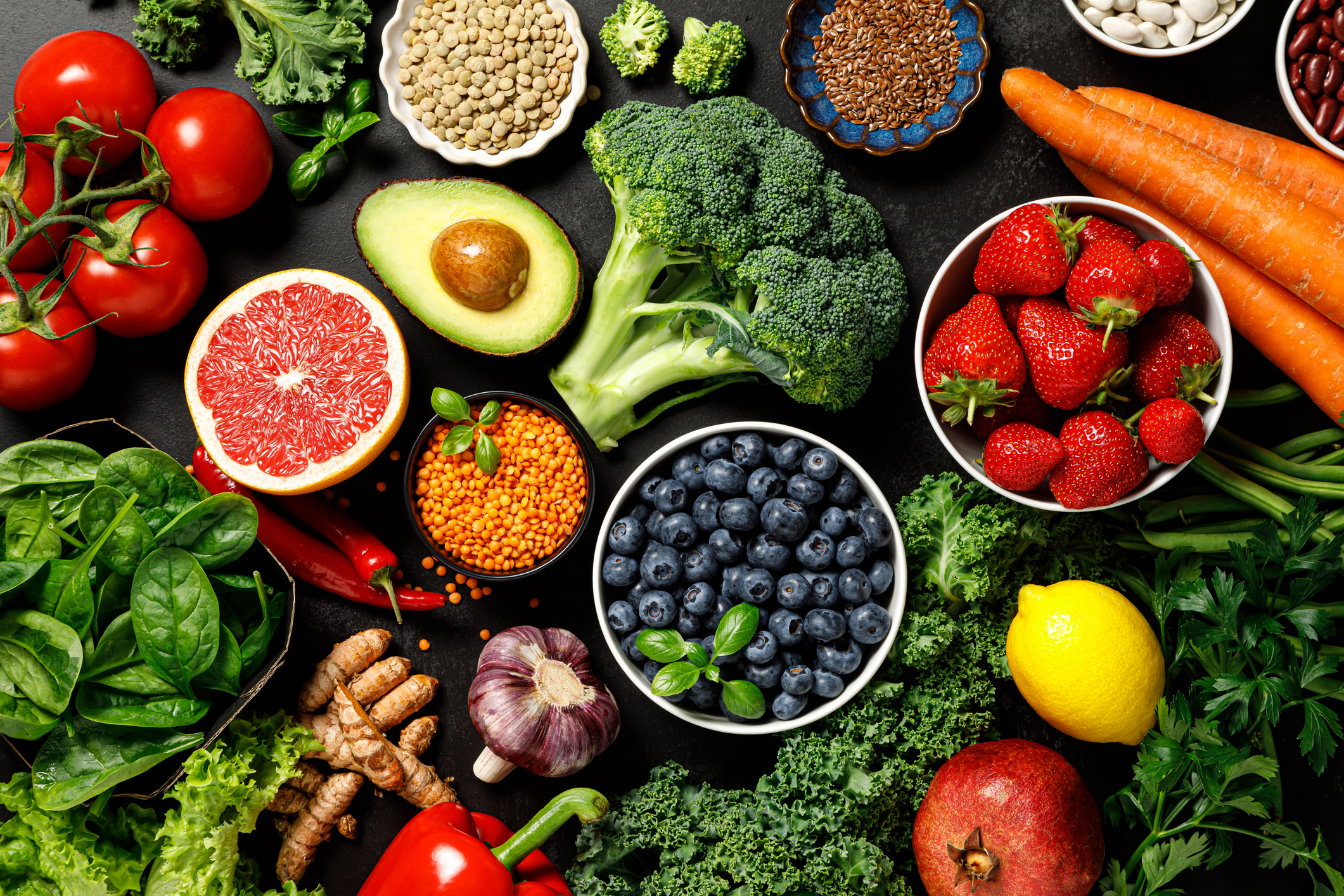
Celebration
World Food Day brings together people from all walks of life. Smallholder farmers from developing nations participate in local events. School children learn valuable lessons about nutrition and food sources. Government officials and policymakers discuss hunger solutions. NGOs like Oxfam, WFP, and CARE coordinate relief efforts. Food industry workers and chefs create awareness through their work. University students studying agriculture join educational programs. Indigenous communities showcase their traditional food preservation methods. Urban gardeners and sustainability advocates promote local food systems. Together, these diverse groups unite for a common cause.
Main Activities:
Official Ceremonies:
-
Flag raising at FAO headquarters in Rome
-
Presidential addresses on hunger solutions
-
Launch of new food security reports
-
Award ceremonies for hunger fighters
-
A moment of silence for those facing famine
Educational Programs:
-
School lessons on where food comes from
-
University debates on farming policies
-
Documentary screenings about food waste
-
Cooking classes featuring nutritious recipes
-
Farm visits teaching sustainable practices
Community Events:
-
Food drives collect items for food banks
-
Community gardens plant winter crops
-
Local food fairs showcasing regional produce
-
Charity runs raise funds for hunger relief
-
Seed exchange programs preserving crop diversity
Advocacy Campaigns:
-
Petitions demanding better food policies
-
Social media challenges reducing food waste
-
Letter writing to elected representatives
-
Public art installations about hunger
-
Street theater performances on food rights
Modern Celebrations
Urban Areas:
-
Tech companies host virtual reality farm experiences
-
Restaurants donate meals for every dish sold
-
Food trucks serve global cuisines with educational placards
-
Universities organize hackathons to solve food distribution problems
-
Shopping malls display statistics on interactive screens
Rural Areas:
-
Village assemblies discuss climate impacts on crops
-
Traditional seed saving ceremonies honor indigenous knowledge
-
Radio programs broadcast in local languages
-
Mobile health units check children for malnutrition
-
Farmer cooperatives demonstrate organic techniques
Since 2020, digital celebrations exploded across platforms. Instagram challenges show creative zero-waste recipes. Informative videos teach urban farming hacks. Virtual summits connect experts with grassroots activists.
Youth movements lead protests demanding food justice. Companies commit to sustainable sourcing publicly. Celebrity chefs share nutritious budget meal ideas.
Celebration in Nepal
Nepal celebrates World Food Day from the mountains to the plains. In Kathmandu Valley, exhibition halls show various grain types. Hotels hold talks about food rights and farming. Student groups act out plays on the streets.
Markets give discounts on organic vegetables to shoppers. In the Terai region, rice farmers show new climate-safe methods. Tharu communities teach how to preserve food traditionally. Agricultural colleges run helpful training workshops for farmers. Women's groups cook healthy meals using local ingredients. In mountain areas, highland communities talk about food problems.
Yak herders share their smart grazing practices with others. Schools get nutrition education books and materials. Cooperatives display high-altitude crops like buckwheat proudly. Traditional foods become stars at these celebrations.
Dal bhat shows Nepal's rich food culture to everyone. Millet dishes bring back interest in ancient grains. Dhido highlights the nutritional wisdom of the indigenous Nepali people.
Social and Educational Value
World Food Day teaches children where meals originate. Kids learn that farmers work hard daily. Schools explain how the weather affects crop yields.
Important Lessons:
-
Every person deserves adequate, nutritious food daily.
-
Wasting food means wasting farmer labor and resources
-
Small actions like composting create big impacts.
-
Supporting local farmers strengthens community food security
-
Climate change threatens global food production systems
Families discuss meal planning and reducing waste. Parents explain the differences between hunger and malnutrition. Elders share stories of past food shortages. Communities organize workshops on kitchen gardening techniques. Libraries display books about global food systems. Museums create exhibits on agricultural history.
This day strengthens bonds between urban consumers and rural producers. People appreciate the journey from farm to plate. Volunteers help distribute food to vulnerable populations.
Recognition and Status
World Food Day is not a public holiday. Schools and offices operate on normal schedules. However, many workplaces hold lunch-hour educational sessions.
The FAO coordinates celebrations from its Rome headquarters. Regional offices adapt programs to local needs. Governments issue statements supporting hunger eradication goals.
International organizations track progress toward Zero Hunger targets. Reports published on this day assess global food security. Media coverage brings attention to forgotten crisis zones.
Global Recognition:
UN observes with special sessions and reports, the World Food Programme intensifies relief operations, and international media features hunger-related stories. Celebrities and influencers amplify awareness messages. Research institutions release food security data: Economic and Agricultural Significance
Food companies launch sustainable sourcing initiatives on this day. Agricultural equipment makers offer special financing to small farmers. Seed companies donate climate-resilient varieties to developing regions.
Economic Impact:
Food banks receive increased donations during October. Farmers' markets see higher foot traffic nationwide. Organic produce sales spike as awareness grows. Agricultural technology startups announce new solutions. Grocery stores promote food waste reduction programs. Traditional food industries benefit from renewed interest. Local grain millers experience increased demand for heritage varieties. Artisan food makers showcase traditional preservation techniques.
Commercial Activities:
-
Restaurants create special menus highlighting local ingredients
-
Food delivery apps waive fees for charity orders
-
Supermarkets discount near-expiry items to reduce waste
-
Cooking schools offer free classes on budget nutrition
-
Agricultural fairs showcase innovative farming equipment
Tourism increases in agricultural regions during this period. Farm stays and agritourism experiences are becoming popular. Rural communities earn income hosting educational tours.
Do's and Don'ts
DO'S:
-
Participate in local food drives or charity events
-
Learn about hunger statistics in your country
-
Support farmers' markets and local producers
-
Start a kitchen garden or balcony farm
-
Reduce your household food waste consciously
DON'TS:
-
Don't waste food at home or restaurants
-
Avoid buying more than you can consume
-
Don't ignore the hungry in your community
-
Refrain from spreading misinformation about food issues
-
Don't dismiss indigenous food knowledge systems
-
Avoid supporting unsustainable farming practices
"A world with zero hunger isn't just possible—it's necessary. Every meal matters, every voice counts, every action brings us closer."