International Day for Disaster Risk Reduction
Quick Reference Card
| Date | 13 October Every Year |
| Duration | One-Day Event |
| Observance | International |
| Celebrated in | Worldwide |
| Observing Communities | Governments, disaster management authorities, NGOs, humanitarian organizations, communities, schools |
| Type of Event | International Awareness & Safety Day |
| Purpose of Event | To promote a global culture of disaster risk awareness, preparedness and to reduce the impact of natural and human-made disasters through prevention and education. |
| Holiday Status | No (No public holiday declared) |
| First Observed in | 1989 (Initiated by the United Nations) |
Quick Fact: The day supports the implementation of the Sendai Framework for Disaster Risk Reduction, encouraging countries to build safer and more resilient communities.
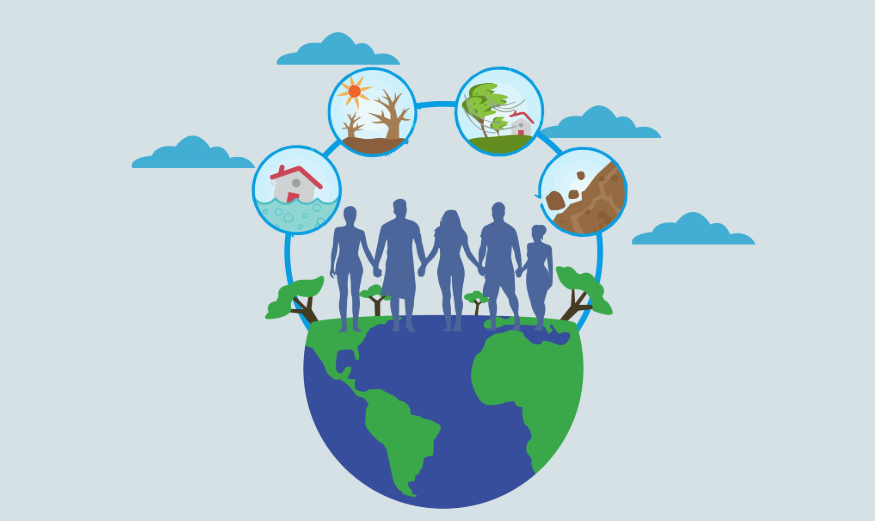
International Day for Disaster Risk Reduction is observed every year on October 13. This day raises the awareness about disaster risk management and prevention. It encourages governments, communities and individuals to take action together. This day reminds us that reducing risk of disasters and natural calamities save lives and protect our future.
History and Origin
The United Nations General Assembly created this observance in 1989. It was set up under Resolution 44/236 during the International Decade for Natural Disaster Reduction. The day was first held to promote a global culture of disaster awareness. Over time, it became a platform for action, not just awareness. The day emphasizes that disasters are not only natural events but are often made worse by vulnerability, poor planning and lack of preparedness.
Purpose of this day
The International Day for Disaster Risk Reduction is observed to:
-
Raise awareness about disaster risks
-
Promote preparedness and early warning systems
-
Encourage resilient communities and infrastructure
-
Support policies that reduce disaster-related losses
Social and Educational Value
This day carries deep social and educational meaning for people everywhere. It teaches communities how to prepare for and respond to disasters. Schools use it to run safety drills and teach students about risk awareness. It also builds a culture of responsibility and shared action.
Key social and educational benefits include:
-
Encouraging youth to learn first aid and emergency response skills.
-
Promoting inclusive disaster planning for vulnerable groups.
-
Supporting local governments in risk assessment and planning.
-
Helping people understand climate change and its link to disasters.
-
Building stronger community networks that act together during emergencies.
Education is the most powerful tool in disaster risk reduction. When people know what to do, they act faster and save more lives. This day helps bridge the gap between policy and everyday action. It reminds us that safety is a right for everyone.
Celebration and Observance Around the World
Countries across the globe observe this important day in many ways. Governments, UN agencies, and civil societies join hands to spread key messages. The day is marked through:
-
Public awareness campaigns in schools, offices and communities.
-
Special events hosted by the United Nations Office for Disaster Risk Reduction (UNDRR).
-
Seminars, webinars, and workshops on disaster preparedness topics.
-
Social media campaigns with different precautions and activities for reducing the risk of disasters and natural calamities.
-
Local drills and mock emergency evacuation exercises.
Each year, the UNDRR announces a special theme for the day. In 2025, the theme focused on “Fund Resilience, Not Disasters.” Nations use this theme to guide their events and programs. The goal is always to build stronger and safer communities for all.
Importance of the Day
This day is important because it:
-
Saves lives through preparedness and prevention
-
Promotes safe infrastructure and urban planning
-
Encourages climate resilience
-
Reduces economic and social losses caused by disasters
Significance in Today’s World
With increasing climate change impacts, floods, earthquakes, landslides and other hazards are becoming more frequent and intense. Countries like Nepal, which are vulnerable to natural disasters, benefit greatly from strong disaster risk reduction strategies. Awareness and preparedness can significantly reduce damage and loss.
Conclusion
International Day for Disaster Risk Reduction is more than a UN observance. It is a call to action for governments, communities and every individual. Disasters will always pose a threat, but we can reduce their impact significantly. By working together, we can build a safer and more resilient world for all. Let this day inspire everyone to act, prepare and protect those around you.