Hanuman Jayanti
Quick Reference Card
| Date | Chaitra Purnima (April 2, 2026) |
| Duration | One-day event |
| Observance | National and Regional |
| Celebrated in | Nepal, India and Hindu communities worldwide |
| Observing Communities | Hindus, devotees of Lord Hanuman, temple communities and religious organizations |
| Type of Event | Religious |
| Purpose of Event | To celebrate the birth anniversary of Lord Hanuman, the divine embodiment of strength, courage, devotion and wisdom in Hindu tradition. |
| Holiday Status | No (Not a public holiday but widely observed) |
| First Observed in | Ancient period (Vedic era, over 2,500 years of continuous celebration) |
Quick Fact: Hanuman Jayanti celebrates the birth of Lord Hanuman, the ardent devotee of Lord Rama, who is revered as the symbol of strength, courage and selfless devotion. In Nepal, the Hanuman Dhoka (Hanuman Gate) at the entrance of the old Royal Palace in Kathmandu stands as a testament to the deep reverence for Hanuman.
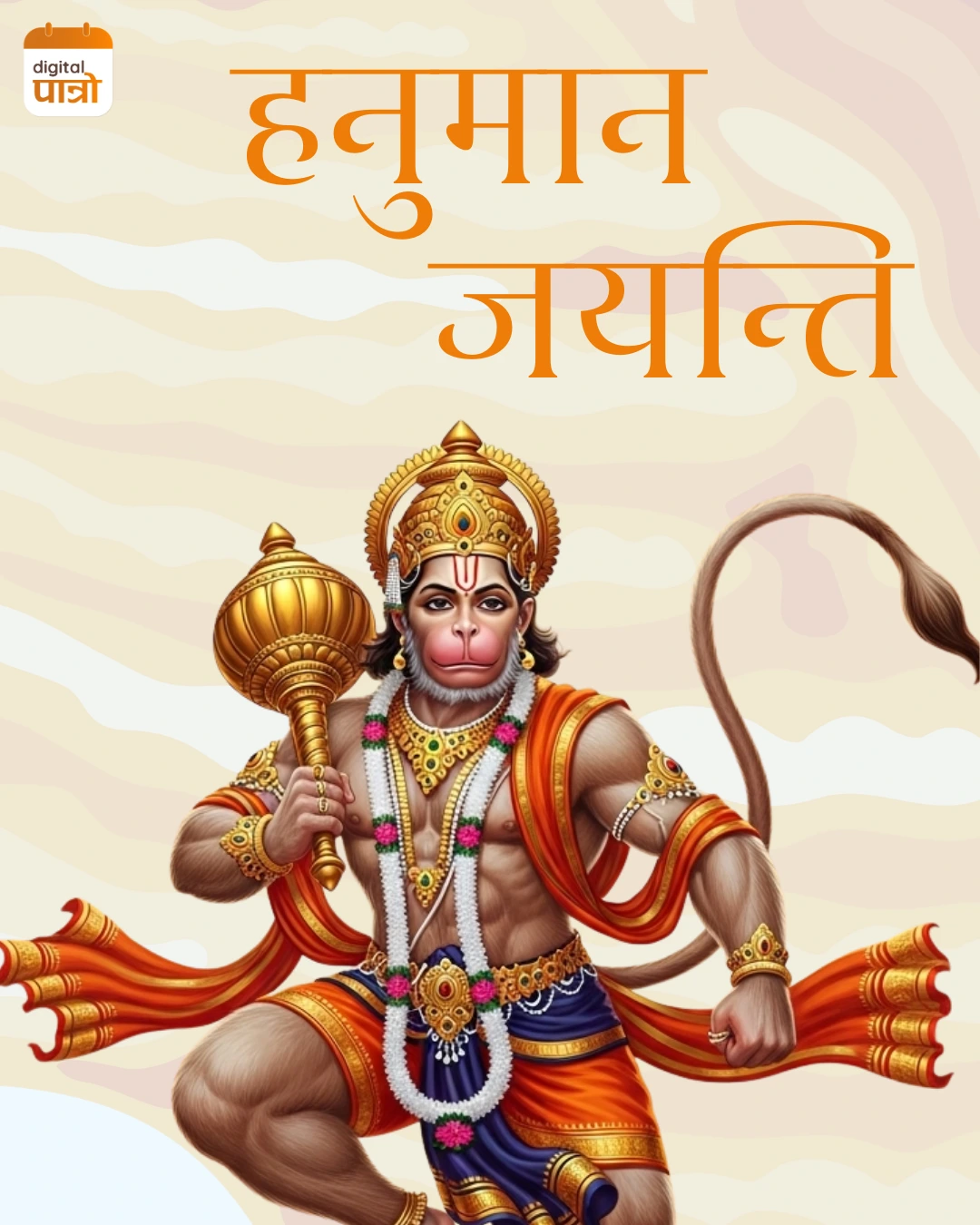
Hanuman Jayanti is observed on the full moon day (Purnima) of the Nepali month of Chaitra to celebrate the birth anniversary of Lord Hanuman, the divine embodiment of strength, courage, devotion and wisdom. Lord Hanuman is one of the most beloved deities in Hindu tradition, known as the ardent devotee and loyal companion of Lord Rama in the epic Ramayana.
History and Background
Hanuman Jayanti has been celebrated since ancient Vedic times, with references found in various Hindu scriptures and Puranas dating back over 2,500 years. According to Hindu mythology, Hanuman was born to Anjana and Kesari with the blessings of Lord Shiva after 12 years of intense prayers. He is the son of Vayu, the Wind God, which granted him extraordinary strength and the ability to fly. Lord Hanuman played a central role in the Ramayana, helping Lord Rama rescue Sita from the demon king Ravana. In Nepal, Hanuman holds special significance with the famous Hanuman Dhoka (Hanuman Gate) at the entrance of the old Royal Palace in Kathmandu.
Purpose of Hanuman Jayanti
This festival is mainly observed to:
-
Celebrate the birth of the divine embodiment of strength and devotion.
-
Honor the qualities of courage, wisdom, humility and selfless service exemplified by Lord Hanuman.
-
Seek blessings for strength, protection and virtuous living.
-
Reaffirm the bhakti (devotional) path in spiritual practice.
How is Hanuman Jayanti Observed?
Hanuman Jayanti is observed through various religious and community activities:
-
Temple Visits: Devotees gather at Hanuman temples before sunrise for special prayers and worship.
-
Hanuman Chalisa: Day-long recitation of the Hanuman Chalisa (40-verse devotional hymn).
-
Abhisheka: Ritual bathing of Hanuman idols with water, milk and honey.
-
Processions: Organized marches with Hanuman effigies and banners through streets.
-
Fasting: Some devotees observe fasts throughout the day as a mark of devotion.
-
Community Feasts: Preparation and distribution of sacred food (prasad) at temples.
Importance of Hanuman Jayanti
Hanuman Jayanti is important for several reasons:
-
Lord Hanuman represents the perfect synthesis of strength with humility and power with compassion.
-
His devotion to Lord Rama is considered the highest ideal of bhakti in Hindu tradition.
-
The festival inspires devotees to cultivate courage, selfless service and unwavering faith.
-
It reinforces the values of loyalty, duty and righteous action in daily life.
-
It connects communities through collective worship and cultural celebration.
Conclusion
Hanuman Jayanti is a beloved festival that celebrates one of Hinduism's most revered deities. Lord Hanuman's qualities of strength, courage, devotion and humility continue to inspire millions of devotees across Nepal and the world. This festival serves as a powerful reminder that true strength lies in selfless service and unwavering devotion.