World Tuberculosis Day
Introduction
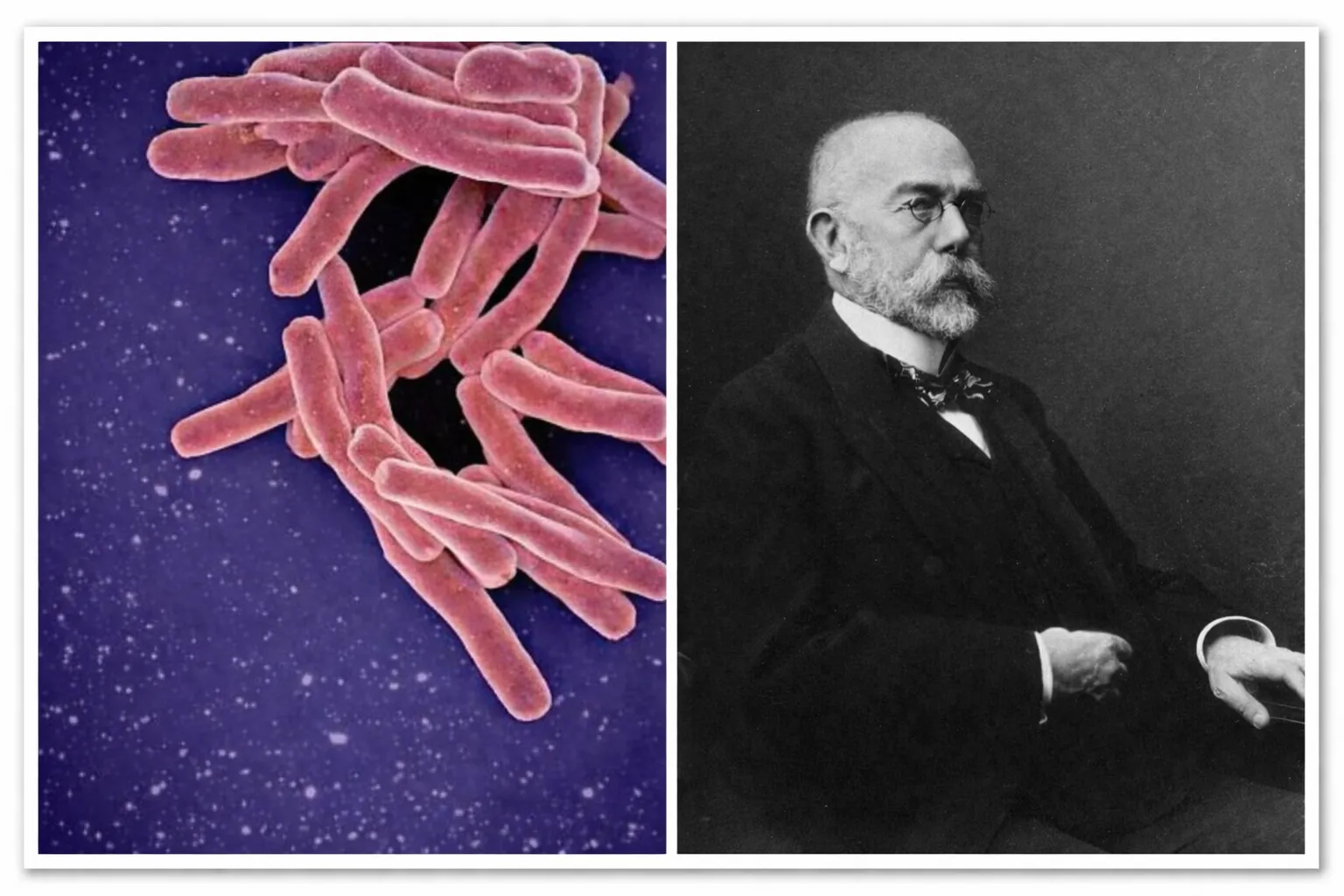
World Tuberculosis Day is observed every year on March 24th. This date marks Dr. Robert Koch's discovery of TB bacteria. He announced his groundbreaking finding on March 24, 1882, in Berlin. WHO officially designated this day in 1982 for global awareness.
| Date | 24 March |
| Duration | One day |
| Celebrated In | Countries worldwide |
| Observing Communities | Health organizations, medical professionals, NGOs |
| Type of Event | International / Awareness |
| Purpose of Event | To raise awareness about tuberculosis prevention and treatment |
| First Observed In | 1982 |
| Holiday Status | No holiday is provided |
Celebration and Observance Around the World
World Tuberculosis Day is observed in countries worldwide with WHO coordination. Stop TB Partnership and national TB programs lead global campaigns. Tuberculosis kills approximately 1.3 million people every year despite being curable.
Free TB Screening and Testing Events Save Lives:
-
Health centers and hospitals offer free chest X-rays and tests
-
Mobile testing units reach underserved communities without healthcare access
-
Sputum tests detect active TB infections early for treatment
-
Contact tracing identifies people exposed to TB patients quickly
Educational Campaigns Teach Communities About TB Prevention:
-
Public health programs explain TB transmission through airborne droplets
-
Communities learn to recognize symptoms like persistent cough and fever
-
Educational materials emphasize completing full six-month treatment course
-
Prevention messages highlight nutrition, ventilation, and infection control measures
Healthcare Providers Offer TB Treatment and Support Services:
-
Directly Observed Therapy ensures patients complete full treatment regimen
-
Free or subsidized TB medications provided in most countries
-
Nutritional support programs help patients recover strength during treatment
-
Contact tracing and preventive therapy protect family members effectively
Policy Advocacy Pushes for Increased TB Funding:
-
WHO releases annual Global TB Report highlighting progress and gaps
-
Stop TB Partnership advocates for universal access to diagnosis
-
Campaigns demand increased research funding for new TB drugs
-
National TB programs petition governments for better healthcare infrastructure
Social Media Campaigns Spread TB Awareness Globally:
-
Hashtags like #WorldTBDay and #EndTB trend across platforms
-
Survivor stories inspire others to complete treatment successfully
-
Organizations share educational infographics about TB prevention and treatment
-
Digital toolkits provide resources in multiple languages for communities
Regional Activities Address Specific Local TB Challenges:
-
High-burden countries focus on case detection and treatment success
-
Developed nations address TB among immigrant and vulnerable populations
-
Asia tackles multidrug-resistant TB with specialized treatment programs
-
Africa integrates TB-HIV services for co-infected patients effectively
History and Origin of World Tuberculosis Day
World Tuberculosis Day has fascinating roots in medical breakthrough history. TB, called consumption or white plague, killed millions throughout history. Dr. Robert Koch's discovery revolutionized understanding of infectious disease. His work laid foundation for modern TB diagnosis and treatment.
Important Historical Milestones:
March 24, 1882 — Dr. Robert Koch Discovered TB Bacteria:
-
German physician announced discovery of Mycobacterium tuberculosis in Berlin
-
He identified the bacteria causing tuberculosis using microscopy techniques
-
Discovery proved TB was infectious disease, not hereditary condition
-
This breakthrough enabled development of diagnostic tests and treatments
1905 — Dr. Koch Received Nobel Prize in Medicine:
-
Nobel Committee honored his contributions to understanding infectious diseases
-
Koch's work on TB, anthrax, and cholera transformed medicine
-
Prize brought international attention to TB as public health priority
-
His methods established foundation for modern bacteriology and diagnostics
1921 — BCG Vaccine Was First Administered:
-
French scientists Albert Calmette and Camille Guérin developed vaccine
-
BCG vaccination began protecting infants from severe TB forms
-
Vaccine remains most widely administered vaccine worldwide today
-
Billions of people have received BCG since its introduction
1982 — WHO Designated March 24 as World TB Day:
-
Date marked 100th anniversary of Koch's historic announcement
-
First World TB Day raised awareness about ongoing TB epidemic
-
International recognition helped mobilize resources for TB control efforts
-
Annual observance established TB as a global health priority
2015 — UN Adopted End TB Strategy:
-
WHO launched a comprehensive plan to end TB epidemic by 2030
-
Strategy targets 90% reduction in TB deaths by 2030
-
Goals include 80% reduction in TB incidence rates globally
-
Universal health coverage ensures access to TB prevention and care
Evolution Over Time
World Tuberculosis Day began as centenary commemoration of Koch's discovery. It has evolved into major global health campaign today. Early observances focused simply on raising basic TB awareness. Modern campaigns emphasize ending TB epidemic through innovation and funding. From historical commemoration to urgent call for elimination action.
Social and Educational Value
World Tuberculosis Day teaches communities that TB remains serious threat. It builds understanding that TB is curable with proper treatment. The day promotes early detection and treatment adherence as keys.
People Learn About TB Transmission and Symptoms:
-
TB spreads through air when infected people cough or sneeze
-
Symptoms include persistent cough lasting more than three weeks
-
Night sweats, weight loss, and fatigue indicate possible TB infection
-
Early detection through testing prevents disease spread to others
Communities Understand the Global TB Burden:
-
TB is one of top 10 causes of death worldwide
-
1.3 million people die from TB every year globally
-
10 million people develop active TB disease annually worldwide
-
TB disproportionately affects vulnerable populations and low-income countries
Treatment Options Are Effective When Completed Fully:
-
Six-month antibiotic course cures most drug-susceptible TB cases
-
Directly Observed Therapy improves treatment completion rates significantly
-
Multidrug-resistant TB requires longer treatment with specialized drugs
-
Preventive therapy protects people exposed to TB from developing disease
End TB Strategy Provides Clear Global Targets:
-
90% reduction in TB deaths by 2030 compared to 2015
-
80% reduction in TB incidence rate by 2030 globally
-
Zero families facing catastrophic costs due to TB treatment
-
Universal health coverage ensuring TB services accessible to all
Do's and Don'ts for World Tuberculosis Day
Do's:
-
Get tested for TB if you have persistent cough
-
Complete the full six-month TB treatment course without stopping
-
Cover your mouth when coughing and practice good hygiene
-
Ensure good ventilation in homes and workplaces to reduce transmission
-
Support TB awareness campaigns and advocacy efforts in communities
-
Encourage family members exposed to TB to get preventive therapy
-
Support people with TB to reduce stigma and discrimination
Don'ts:
-
Don't ignore persistent cough lasting more than three weeks
-
Don't stigmatize or discriminate against people with TB infection
-
Don't assume TB only affects certain populations or countries
-
Don't forget that TB is airborne and requires precautions
-
Don't overlook the connection between TB and HIV co-infection
-
Don't delay seeking medical care if TB symptoms appear
-
Don't forget that multidrug-resistant TB is a growing global threat
Key Facts About Tuberculosis Worldwide
Understanding TB helps communities support prevention and elimination efforts:
-
TB kills approximately 1.3 million people every year worldwide
-
10 million people develop active TB disease annually across globe
-
TB is one of the top 10 causes of death globally
-
Dr. Robert Koch discovered TB bacteria on March 24, 1882
-
BCG vaccine has been administered to billions since 1921
-
Multidrug-resistant TB requires 18-24 months of specialized treatment
-
End TB Strategy targets 90% reduction in deaths by 2030